Flushable Wipes vs. Bamboo Toilet Paper: Which Is Greener for Your Bathroom Routine?
By POURRI | Published: 2026-07-01
Category: Industry News
Compare flushable wipes and bamboo toilet paper for eco-friendly bathrooms. Discover sustainability, septic safety, and comfort to choose the greener option.
In the quest for a more sustainable bathroom routine, many eco-conscious consumers are torn between two popular alternatives to conventional toilet paper: flushable wipes and bamboo toilet paper. Both promise a greener footprint, but which one truly delivers on environmental promises without sacrificing comfort or hygiene? Let’s break down the key factors—materials, biodegradability, septic safety, and overall impact—to help you make an informed choice for your home.
The bathroom is one of the most resource-intensive rooms in the house, with toilet paper alone accounting for millions of trees cut annually. As awareness grows, brands have responded with innovative products that aim to reduce waste and chemical exposure. But not all eco-friendly claims are equal. We’ll explore the pros and cons of flushable wipes versus bamboo toilet paper, and highlight some standout products from POURRI that can elevate your bathroom experience naturally.
What Are Flushable Wipes Made Of?
Flushable wipes are pre-moistened sheets designed for personal hygiene, often marketed as a more effective clean than dry toilet paper. They are typically made from plant-based fibers like wood pulp, viscose, or cotton, and infused with water, mild cleansers, and sometimes soothing ingredients like aloe or cucumber. The key selling point is their ability to break down in water, but not all wipes live up to this claim in real-world plumbing systems.
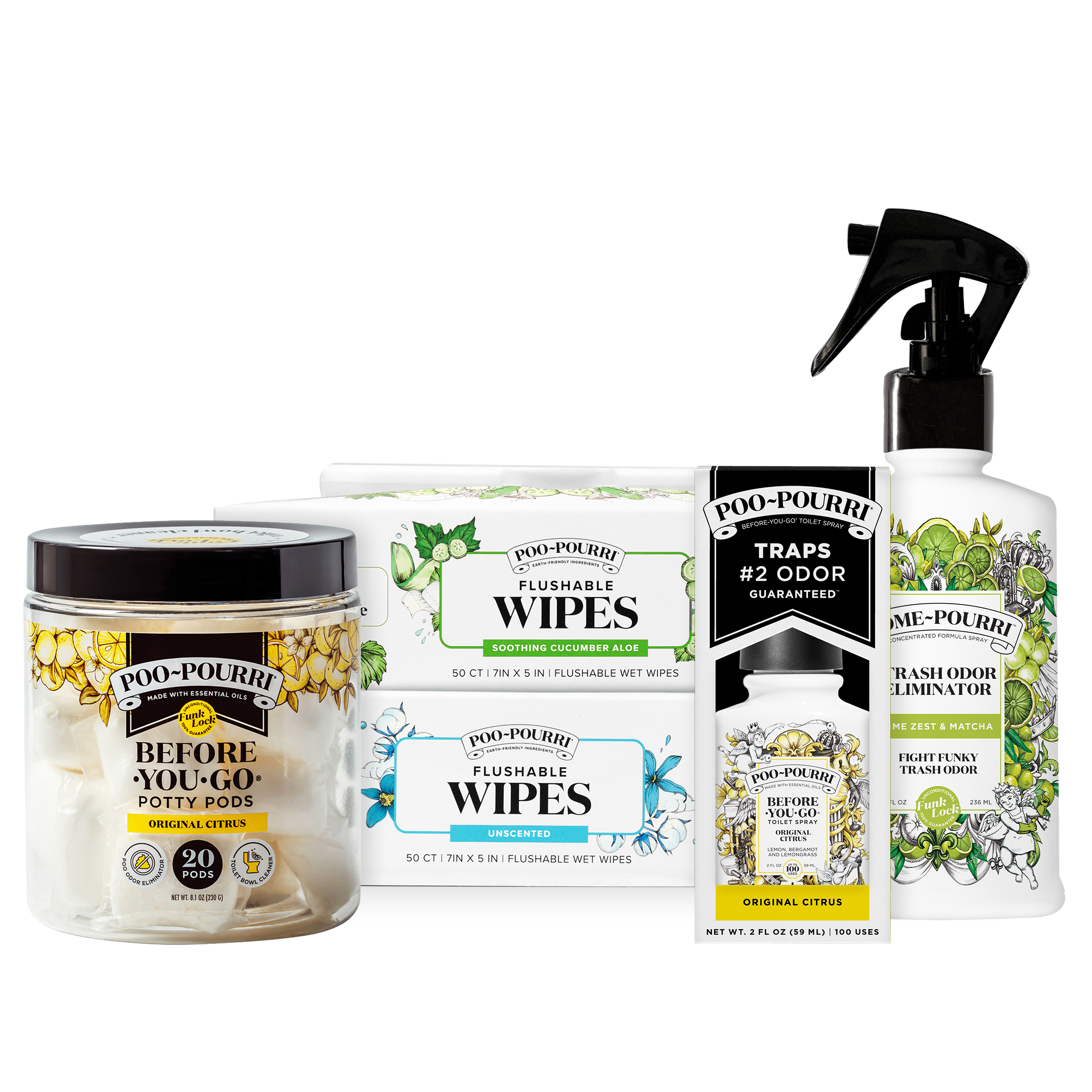
POURRI offers a range of flushable wipes that are formulated with biodegradable materials and free from harsh chemicals. For instance, the Cucumber Aloe Flushable Wipes provide a gentle, refreshing cleanse with natural extracts. These wipes are designed to be septic safe and break down more readily than many conventional brands, making them a viable option for eco-conscious households.
- Look for wipes labeled 'septic safe' and 'biodegradable' to minimize environmental impact.
- Always check for certifications like FSC (Forest Stewardship Council) for responsible sourcing.
Bamboo Toilet Paper: The Renewable Alternative
Bamboo toilet paper is made from fast-growing bamboo grass, which requires less water and land than traditional tree-based pulp. Bamboo reaches maturity in 3-5 years and regenerates without replanting, making it a highly renewable resource. It’s also naturally soft, strong, and often hypoallergenic—ideal for sensitive skin. However, bamboo processing can involve chemicals if not managed responsibly, so look for unbleached or chlorine-free options.
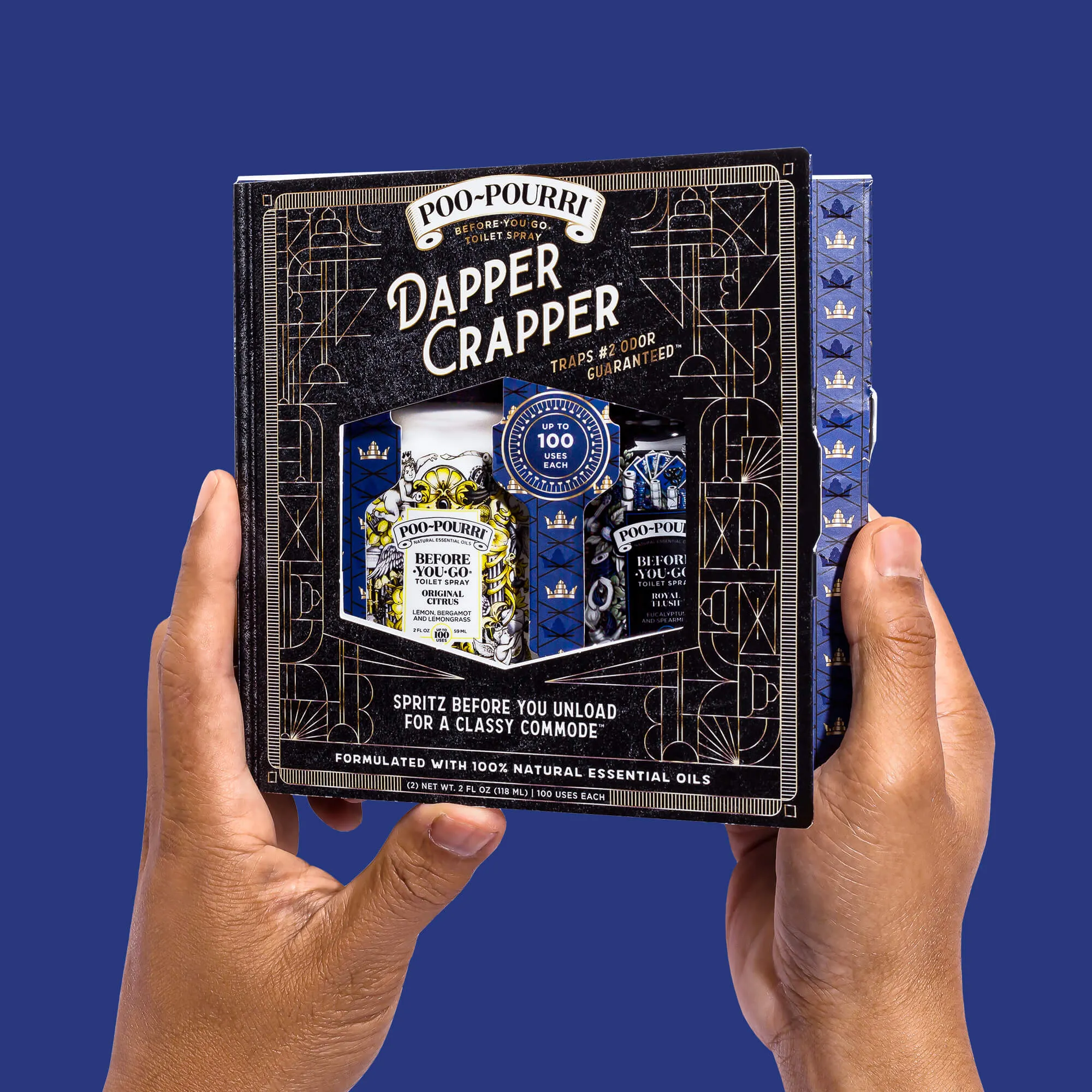
While bamboo toilet paper is generally more sustainable than virgin tree pulp, it still lacks the moist cleaning power of wipes. For those who prefer a dry option, bamboo TP is a solid choice. But if you want the convenience of a pre-moistened wipe without the plastic packaging, flushable wipes from brands like POURRI offer a balanced solution. The King of the Can Bundle combines both toilet spray and wipes for a complete bathroom refresh.
- Bamboo toilet paper is compostable and can be added to municipal compost systems if accepted.
- Choose unbleached or whitened with hydrogen peroxide to avoid dioxin pollution.
Biodegradability and Septic Safety: A Critical Comparison
One of the biggest concerns with flushable wipes is whether they truly break down in sewer or septic systems. Many wipes labeled 'flushable' contain synthetic fibers that do not disintegrate quickly, leading to clogs and fatbergs. In contrast, bamboo toilet paper is designed to dissolve rapidly in water. However, high-quality flushable wipes made from 100% plant-based fibers and tested for dispersibility can perform similarly.
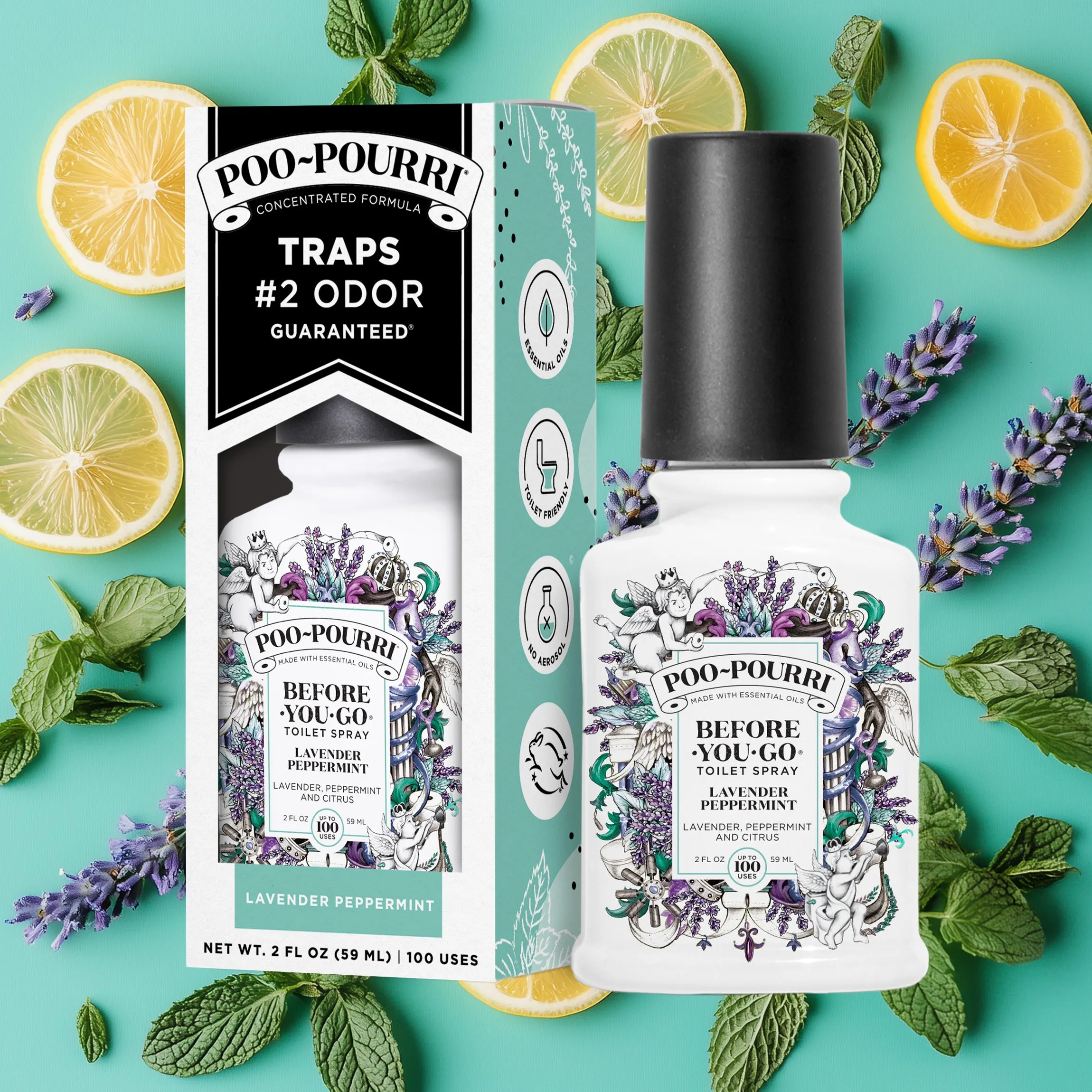
POURRI’s flushable wipes are formulated with septic safety in mind, using materials that break down faster than traditional wipes. For those who want extra assurance, pairing wipes with a toilet spray like Fresh Air - Poo~Pourri Toilet Spray can reduce the need for multiple wipes, further cutting down on waste. Ultimately, if you have a septic system, bamboo TP is the safer bet, but well-designed flushable wipes can be used sparingly without issue.
- Always follow the 'Do Not Flush' symbol on packaging—only flush wipes explicitly labeled as safe.
- Consider using a bidet attachment to reduce both TP and wipe usage.
Environmental Footprint: Manufacturing and Packaging
The production of bamboo toilet paper has a lower carbon footprint than conventional tree-based TP, but it still requires energy for harvesting, pulping, and packaging. Flushable wipes often come in plastic or mixed-material packaging, which adds to landfill waste. However, some brands are moving toward recyclable or compostable wrappers. POURRI’s flushable wipes are packaged with sustainability in mind, using minimal plastic and recycled materials where possible.
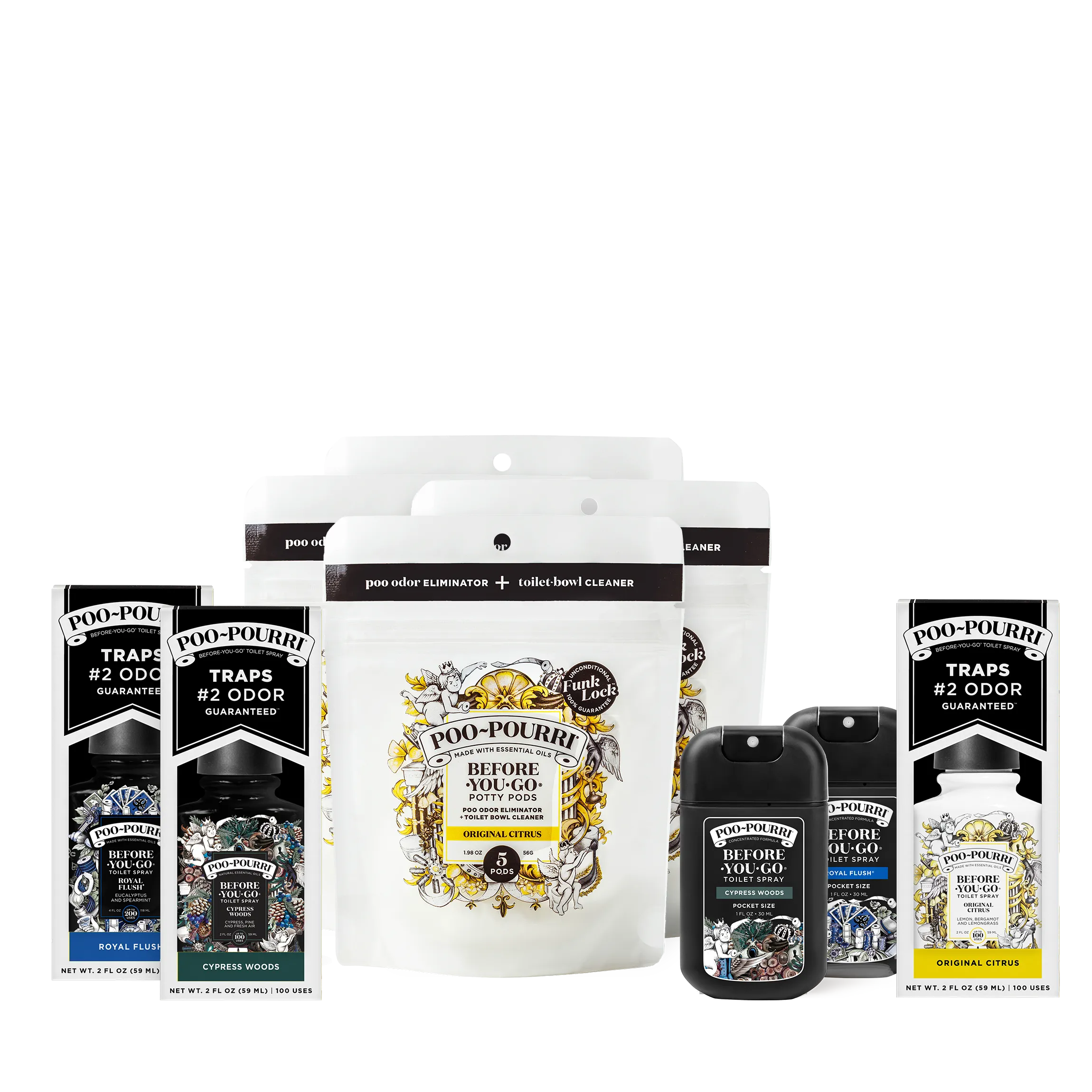
Another factor is water usage. Wipes are pre-moistened, meaning water is embedded in the product, while bamboo TP uses water during manufacturing but not in the final product. For a truly low-impact routine, consider alternating between bamboo TP and flushable wipes for specific needs. The Scent of The Year Bundle offers a curated selection of sprays and wipes that align with eco-friendly values.
- Check if the brand offers refill packs or bulk sizes to reduce per-use packaging waste.
- Support companies that offset their carbon emissions or use renewable energy in production.
Comfort and Hygiene: Which One Wins?
When it comes to comfort, flushable wipes provide a superior clean, especially for those with sensitive skin or after bowel movements. The moisture helps reduce irritation and leaves you feeling fresher. Bamboo toilet paper, while soft, cannot replicate the cleansing effect of a wet wipe. For many, the ideal bathroom routine involves using bamboo TP for drying and a flushable wipe for final cleaning.
POURRI’s flushable wipes are infused with natural ingredients like aloe and cucumber, making them gentle on skin. They are also free from alcohol, parabens, and fragrances that can cause irritation. For a complete experience, the Cucumber Aloe Flushable Wipes offer a refreshing touch that dry TP cannot match. If hygiene is your top priority, flushable wipes are the clear winner.
- Use wipes sparingly to reduce environmental impact—one or two per use is usually enough.
- Store wipes in a cool, dry place to maintain moisture and prevent mold.
Choosing between flushable wipes and bamboo toilet paper doesn’t have to be an all-or-nothing decision. For a greener bathroom routine, consider using bamboo TP as your primary toilet paper and reserving flushable wipes for times when you need extra cleanliness. POURRI’s eco-friendly flushable wipes offer a sustainable, septic-safe option that complements any natural hygiene regimen. Explore the Cucumber Aloe Flushable Wipes to elevate your bathroom experience while staying kind to the planet.