How to Naturally Eliminate Litter Box Odors Without Harsh Chemicals
By POURRI | Published: 2026-06-30
Category: How-to Guides
Discover how to banish litter box odors naturally using non-toxic pet sprays and eco-friendly cat care tips. Learn about Pet~Pourri for litter box freshness and more.
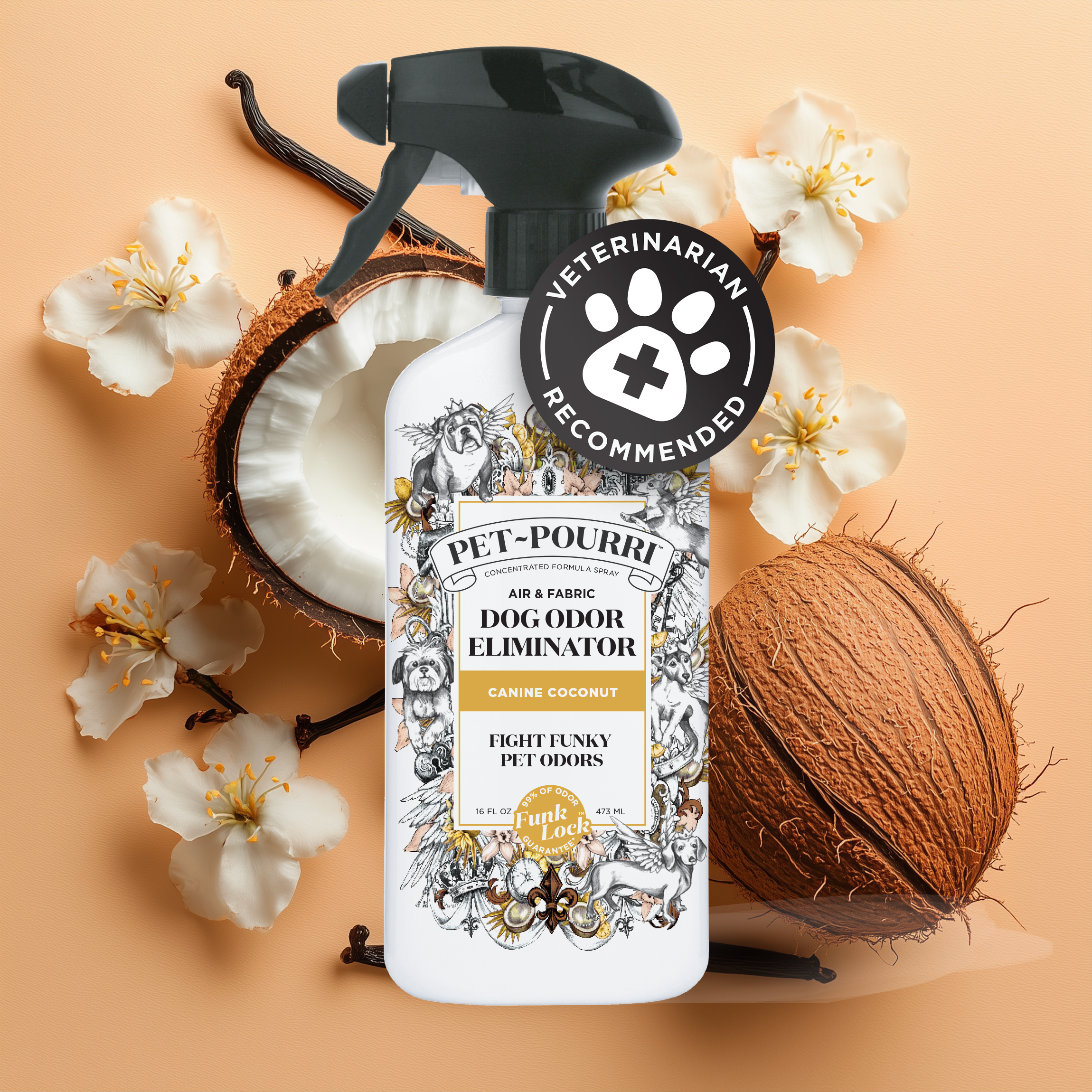
If you share your home with a cat, you know that litter box odors can quickly become a challenge. While chemical-laden air fresheners might mask the smell temporarily, they often release volatile organic compounds (VOCs) that are harmful to both your cat and your family. The good news? You can achieve a fresh, clean-smelling home without resorting to harsh chemicals. In this guide, we'll explore natural, non-toxic strategies to eliminate litter box odors using products like Canine Coconut - Pet~Pourri Room Spray and other eco-friendly solutions that keep your feline friend safe and your space smelling wonderful.

Why Natural Litter Box Odor Control Matters
Traditional odor eliminators often rely on synthetic fragrances, phthalates, and other chemicals that can irritate a cat's sensitive respiratory system. Cats groom themselves frequently and may ingest residue from sprays or powders left on their paws. By choosing natural deodorizers, you reduce the risk of allergies, asthma flare-ups, and long-term health issues for both pets and humans. Moreover, many chemical sprays simply layer scent over odor rather than neutralizing it, leaving an unpleasant mix that fades quickly. Natural solutions target the source of smells—ammonia and bacteria in urine and feces—without masking them.
Step 1: Start with the Right Litter and Box Setup
Before addressing airborne odors, ensure your litter box foundation is solid. Use a high-quality, clumping, unscented natural litter made from materials like pine, walnut, or recycled paper. These options absorb moisture effectively and control ammonia naturally. Place the litter box in a well-ventilated area, ideally away from food and water bowls. Scoop waste at least once daily, and deep-clean the box weekly with mild soap and water—avoid bleach or strong disinfectants that can leave residues.
For added freshness, consider using a liner or a self-cleaning box, but always monitor your cat's comfort. Some cats dislike liners and may refuse to use the box. Keeping the litter depth around 2-3 inches encourages proper digging and covering, which helps contain odors.
Step 2: Use a Natural Room Spray for Immediate Odor Neutralization
Even with perfect maintenance, occasional odors can escape. Instead of reaching for a synthetic spray, turn to a natural, enzyme-based room spray designed to break down odor molecules. The Canine Coconut - Pet~Pourri Room Spray is a perfect example—it uses plant-based ingredients and essential oils to neutralize pet odors without leaving a cloying scent. Simply spritz a light mist near the litter box area after cleaning or whenever you notice a smell. The coconut and vanilla notes provide a subtle, calming aroma that won't overwhelm your cat's senses.
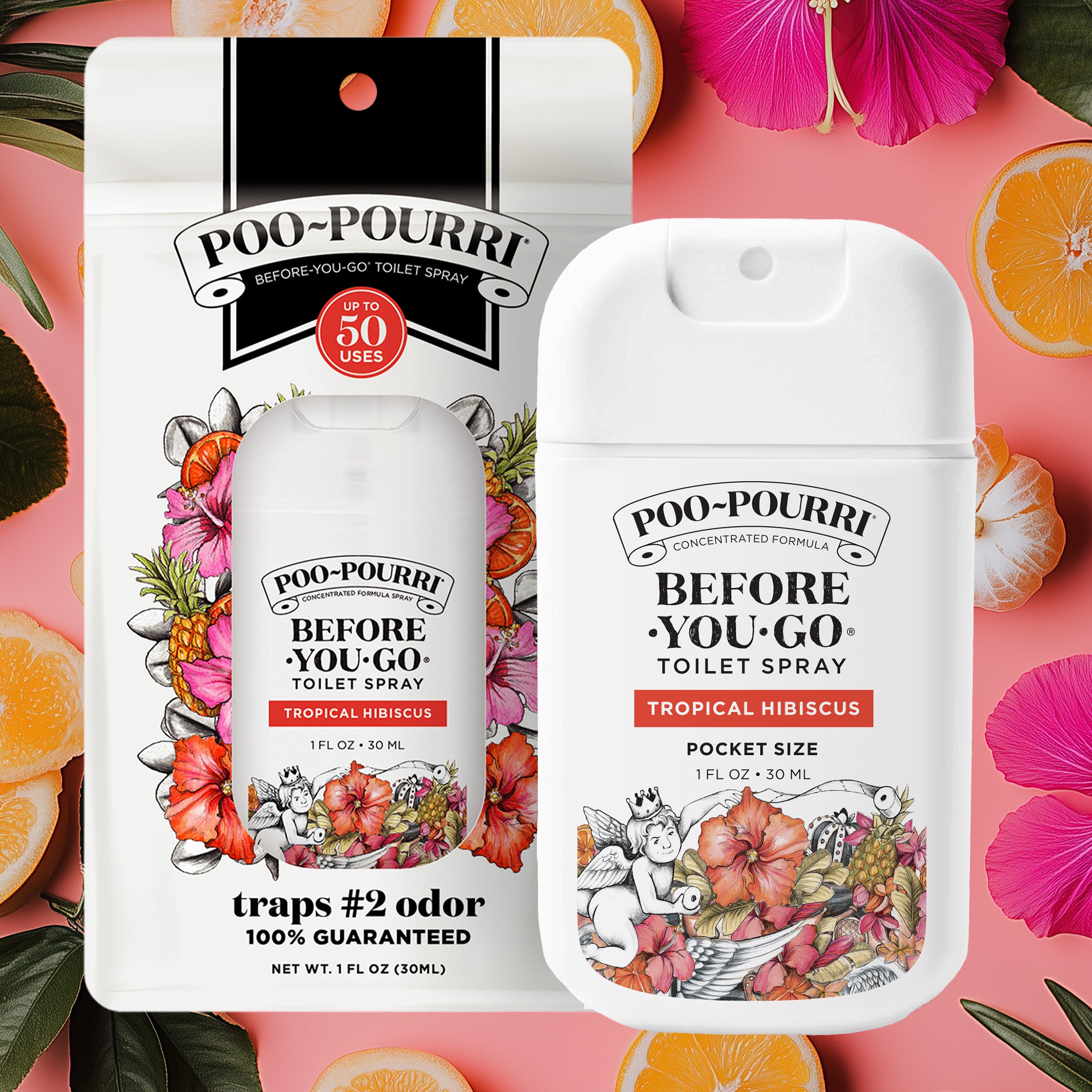
Another excellent option for on-the-go freshness is the Tropical Hibiscus Pocket Sprayer - Poo~Pourri Toilet Spray. While originally designed for bathrooms, its compact size and natural formula make it ideal for quick spritzes around the litter box. The tropical hibiscus scent is light and refreshing, and the spray works by trapping odors before they spread. Keep one near the litter box or in your pocket for instant freshness whenever needed.
Step 3: Incorporate Deodorizing Wipes for Surface Cleanliness
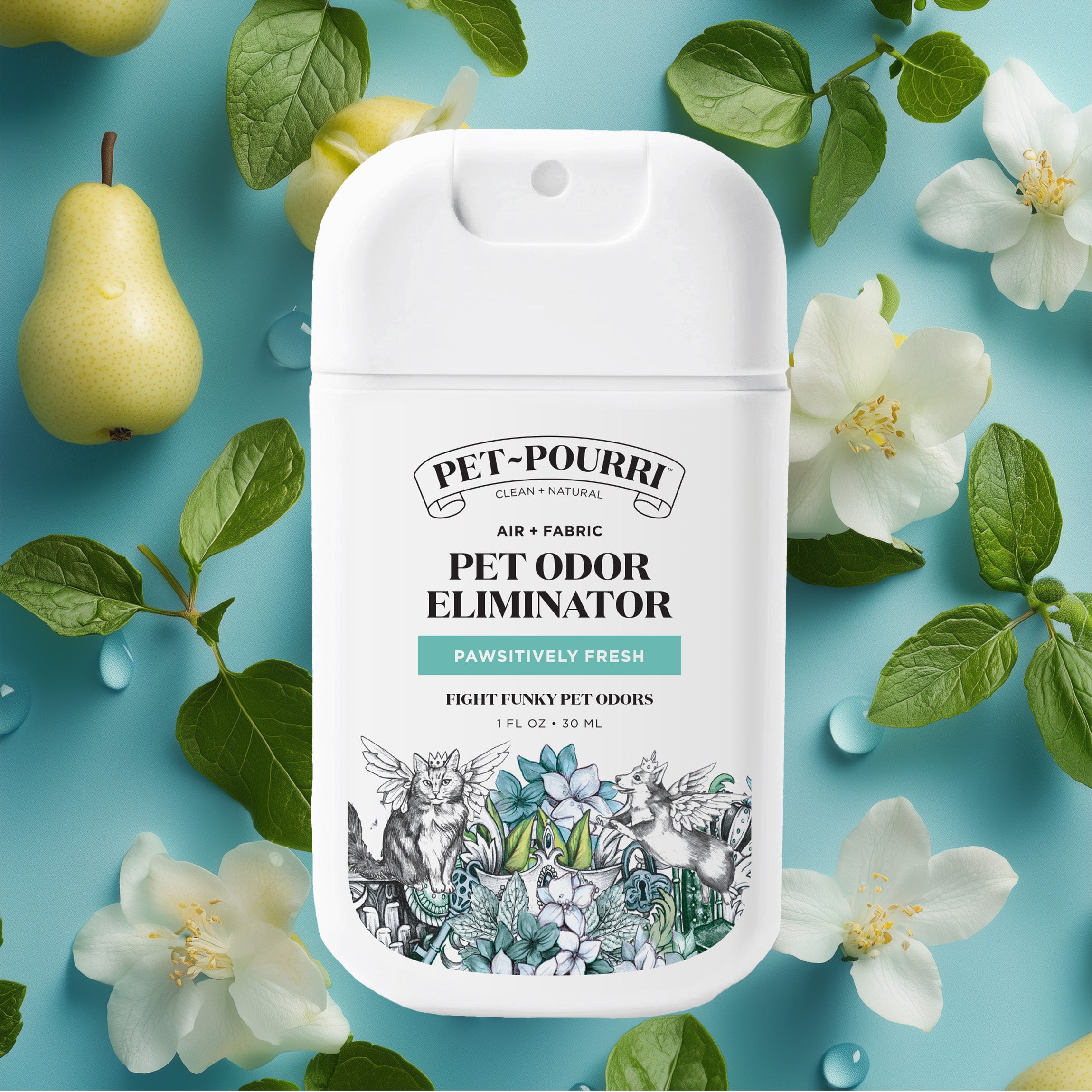
Litter box areas often accumulate dust, litter tracking, and minor spills that contribute to odor. Using non-toxic wipes to clean the surrounding floor, walls, and the box's exterior is a simple yet effective habit. The Pawsitively Fresh Wipes - Pet~Pourri are specifically formulated for pet areas—they are gentle enough for your cat's paws but tough on grime. These wipes are flushable and biodegradable, making them an eco-friendly choice. Use them daily to wipe down the litter box lid, nearby surfaces, and even your cat's paws if they step out with litter stuck to them.
Step 4: Deep Clean with Natural Solutions
For a weekly deep clean, skip the chemical sprays and create your own natural cleaning solution: mix equal parts water and white vinegar in a spray bottle. Vinegar is a natural disinfectant and deodorizer that neutralizes ammonia odors without leaving toxic residues. Spray the empty litter box, let it sit for 10 minutes, then scrub with a brush and rinse thoroughly. You can also add a few drops of lavender or lemon essential oil (ensure they are pet-safe) for a mild, pleasant scent. Avoid tea tree and eucalyptus oils, which can be toxic to cats.
To keep the area smelling fresh between cleanings, place a small bowl of baking soda near the litter box (out of your cat's reach) to absorb ambient odors. Baking soda is non-toxic and works silently to neutralize smells without any chemical interference.
Step 5: Manage Airflow and Humidity
Litter box odors intensify in humid, stagnant environments. If your litter box is in a bathroom or closet, consider using a small fan or opening a window for ventilation. You can also place a natural charcoal air purifier bag near the area—these absorb moisture and odors without electricity or fragrances. For a more proactive approach, use a pet-safe essential oil diffuser with oils like chamomile or frankincense, which are calming for cats and help purify the air.
Step 6: Monitor Your Cat's Health
Sometimes, persistent litter box odors signal a health issue. If you notice a sudden, strong ammonia smell or changes in your cat's elimination habits, consult your veterinarian. Conditions like urinary tract infections or kidney disease can alter the smell of urine. A healthy cat, combined with natural odor control, should keep your home smelling fresh without stress.
Common Mistakes to Avoid
- Overusing scented litters: Heavy perfumes can deter cats from using the box and may cause respiratory irritation.
- Using chemical sprays directly on litter: This can create harmful fumes and upset your cat's natural instincts.
- Ignoring the box material: Plastic boxes can absorb odors over time—replace them every 1-2 years or switch to stainless steel.
- Placing the box in a high-traffic area: Cats need privacy; a stressed cat may avoid the box, leading to accidents and more odors.
Bringing It All Together: A Daily Routine
| Task | Frequency | Product/Tool |
|---|---|---|
| Scoop waste | Daily | Eco-friendly scoop, biodegradable bags |
| Spray room freshener | As needed | Canine Coconut - Pet~Pourri Room Spray |
| Wipe surfaces | Daily | Pawsitively Fresh Wipes - Pet~Pourri |
| Deep clean box | Weekly | Vinegar/water solution |
| Replace litter | Every 2-4 weeks | Natural clumping litter |
Conclusion: A Healthier Home for You and Your Cat
Natural litter box odor control is not only possible but also simple when you use the right tools. By focusing on regular maintenance, proper ventilation, and non-toxic products like Pet~Pourri sprays and wipes, you can keep your home fresh without exposing your cat to harsh chemicals. Start with one small change—like swapping your current spray for a natural alternative—and build from there. Your cat will thank you with purrs, and your nose will notice the difference.
Ready to upgrade your litter box routine naturally? Explore the Canine Coconut - Pet~Pourri Room Spray today and experience the power of plant-based freshness for your pet's space.