Natural vs. Conventional Baby Wipes: Ingredient Comparison for Sensitive Skin and Eco-Conscious Parents
By Pourrimalls | Published: 2026-05-29
Category: Product Reviews
Compare natural vs. conventional baby wipes: ingredients, safety for sensitive skin, and eco-friendliness. Discover Pourrimalls' natural alternatives for gentle, effective diaper care.
As a new parent, choosing the right baby wipes can feel overwhelming. With shelves packed with options promising gentleness, durability, and freshness, it's easy to wonder: what's really inside those wipes? For eco-conscious parents and those with sensitive skin, the debate between natural and conventional baby wipes is critical. This guide breaks down the ingredient differences, safety considerations, and how to make the best choice for your baby—and the planet. Plus, we'll explore how Pourrimalls' natural solutions can simplify your routine.
Why Ingredient Transparency Matters in Baby Wipes
Your baby's skin is up to 30 times thinner than adult skin, making it more permeable to chemicals. Conventional wipes often contain preservatives, fragrances, and alcohols that can cause irritation, rashes, or allergic reactions. Natural baby wipes prioritize plant-based, biodegradable ingredients that are gentler on delicate skin and the environment. But not all "natural" claims are equal—let's dive into the specifics.
Conventional Baby Wipes: Common Ingredients and Concerns
Most conventional wipes rely on a handful of synthetic compounds for preservation, cleansing, and fragrance. Here’s what to watch for:
- Preservatives like Methylisothiazolinone (MI) – A common allergen linked to contact dermatitis. Even low concentrations can trigger reactions in sensitive skin.
- Fragrance blends – Often listed as "parfum" or "fragrance," these can contain hundreds of undisclosed chemicals, including phthalates, which are potential endocrine disruptors.
- Alcohol (e.g., isopropyl or denatured alcohol) – Dries out skin and can worsen existing rashes.
- Phenoxyethanol – A preservative that may cause respiratory or skin irritation in high doses.
- Chlorine-bleached fibers – Some wipes are made from non-renewable, bleached materials that may release dioxins during production.
While many conventional brands are deemed "safe" by regulatory standards, the cumulative exposure—especially for babies who go through dozens of wipes daily—raises concerns among pediatricians and eco-health advocates.
Natural Baby Wipes: Key Ingredients and Benefits
Natural wipes typically use plant-derived ingredients, fewer preservatives, and renewable materials. Look for these markers:
- Aloe vera, chamomile, or calendula extracts – Soothing agents that calm inflammation and hydrate skin.
- Citric acid or tea tree oil – Natural preservatives and antimicrobials that avoid harsh synthetics.
- Purified water (often over 99%) – Minimal formulation reduces chemical load.
- Biodegradable substrates – Bamboo, wood pulp, or organic cotton fibers that break down faster than plastic-based ones.
- No synthetic fragrances – Scented naturally with essential oils (or unscented for ultra-sensitive skin).
But even natural wipes vary widely. Some brands add essential oils that can still irritate extremely sensitive skin, so patch-testing is wise.
Baby Wipe Ingredients Comparison: A Quick Reference Table
| Ingredient | Conventional Wipes | Natural Wipes | Why It Matters |
|---|---|---|---|
| Preservatives | MI, phenoxyethanol | Citric acid, vitamin E | Lower allergy risk with natural alternatives |
| Fragrance | Synthetic "parfum" | Essential oils (or unscented) | Fewer unknown chemicals |
| Base Material | Polyester/rayon (plastic) | Bamboo, cotton, wood pulp | Biodegradable vs. landfill-bound |
| Cleaning Agents | Alcohol, sulfates | Soap bark, aloe | Non-drying, pH-balanced |
| Packaging | Plastic tubs (often non-recyclable) | Recyclable or compostable options | Reduces plastic waste |
Eco-Friendly Diaper Wipes: Beyond Ingredients
Choosing natural wipes isn't just about skin health—it's about environmental impact. Conventional wipes often contain plastic fibers (e.g., polypropylene) that do not break down in landfills or waterways. Even "flushable" wipes can cause plumbing issues and harm aquatic life. Natural wipes made from bamboo or organic cotton decompose more readily, especially if they're certified compostable.
Pourrimalls understands this balance. Their product range includes solutions that complement a zero-waste diaper routine. For instance, using the Bloom in the Bathroom Set - Poo~Pourri Toilet Sprays can help neutralize odors in the diaper pail without relying on harsh chemicals or scented bags. This set pairs well with natural wipes for a holistic, eco-friendly approach to diaper changes.
Sensitive Skin Wipes: How to Choose Without Overwhelm
If your baby has eczema, allergies, or prone to diaper rash, look for these attributes in a wipe:
- Unscented or minimally scented – Essential oils like lavender can still trigger reactions in some infants.
- Hypoallergenic certification – Look for third-party seals (e.g., EWG Verified, Dermatologist Tested).
- Short ingredient list – Fewer ingredients mean fewer potential irritants.
- pH-balanced (around 5.5) – Matches baby's skin acidity to prevent infection.
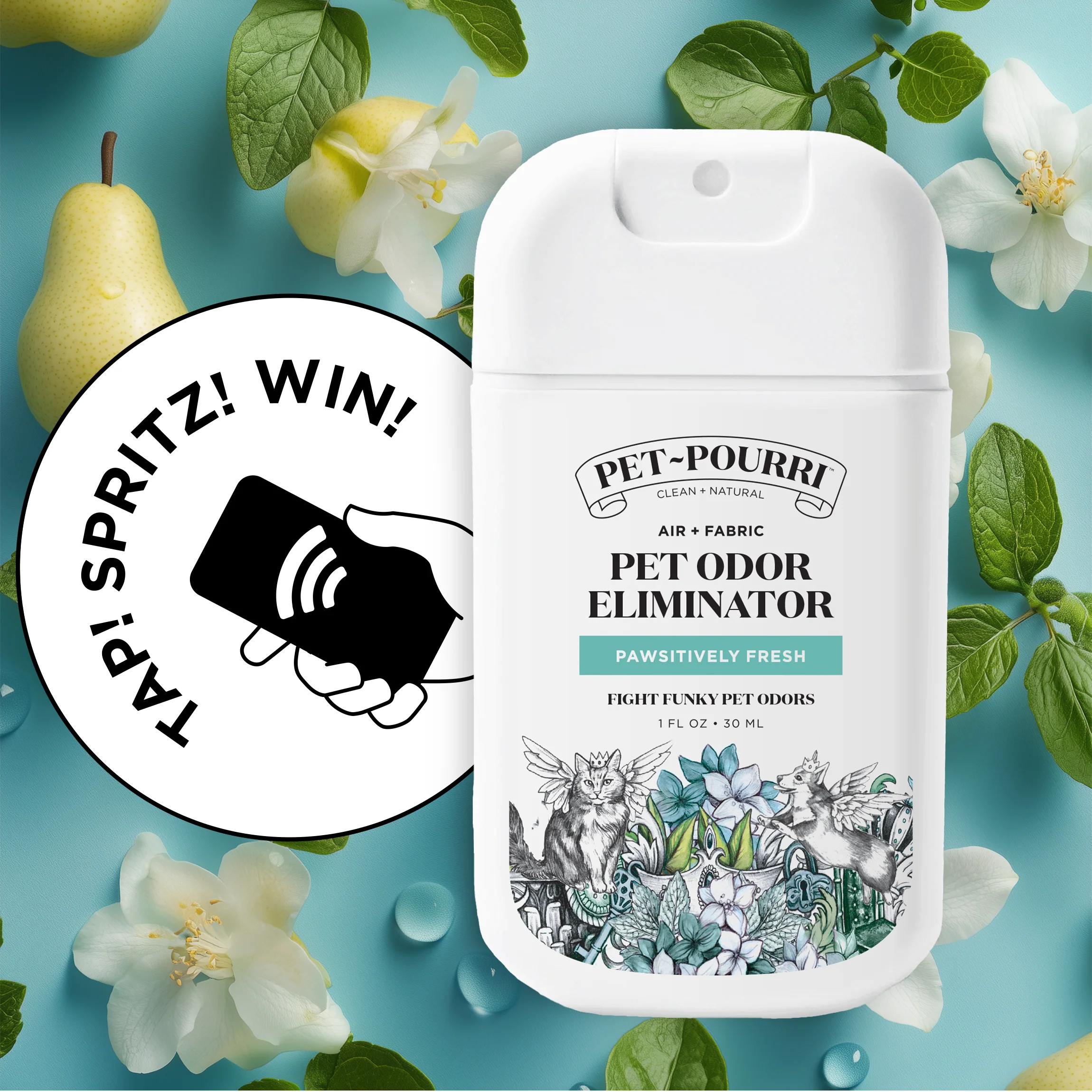
Natural wipes from brands like those available through Pourrimalls often meet these criteria. For an extra layer of freshness without irritation, consider adding a natural room spray to your nursery. The Purrfectly Bamboo - Pet~Pourri Room Spray is a gentle, plant-based option that freshens air without synthetic aerosols—perfect for the changing table area.
Cost vs. Value: Are Natural Wipes Worth It?
Natural wipes often cost 20–40% more than conventional ones, but many parents find the trade-off worthwhile for peace of mind. Here’s a quick breakdown:
- Conventional wipes: $0.02–$0.04 per wipe; high chemical load; plastic-based; often in non-recyclable packaging.
- Natural wipes: $0.05–$0.10 per wipe; plant-based; biodegradable; usually in recyclable packaging.
To save money, you can also buy in bulk or use cloth wipes for part of the day. Many eco-conscious parents use natural wipes for diaper changes and conventional ones for hands/faces (where chemical contact is brief).
How Pourrimalls Supports Your Natural Baby Care Routine
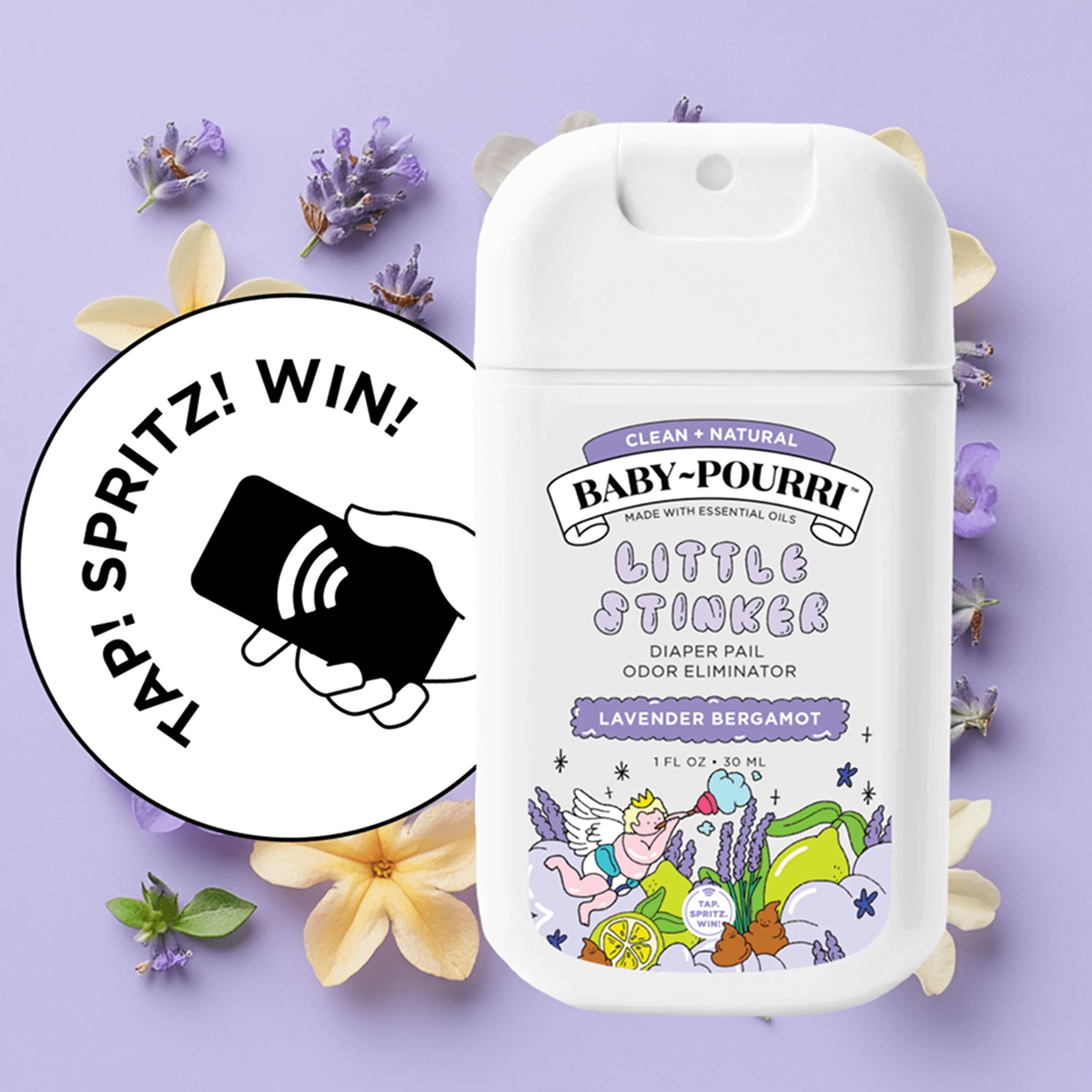
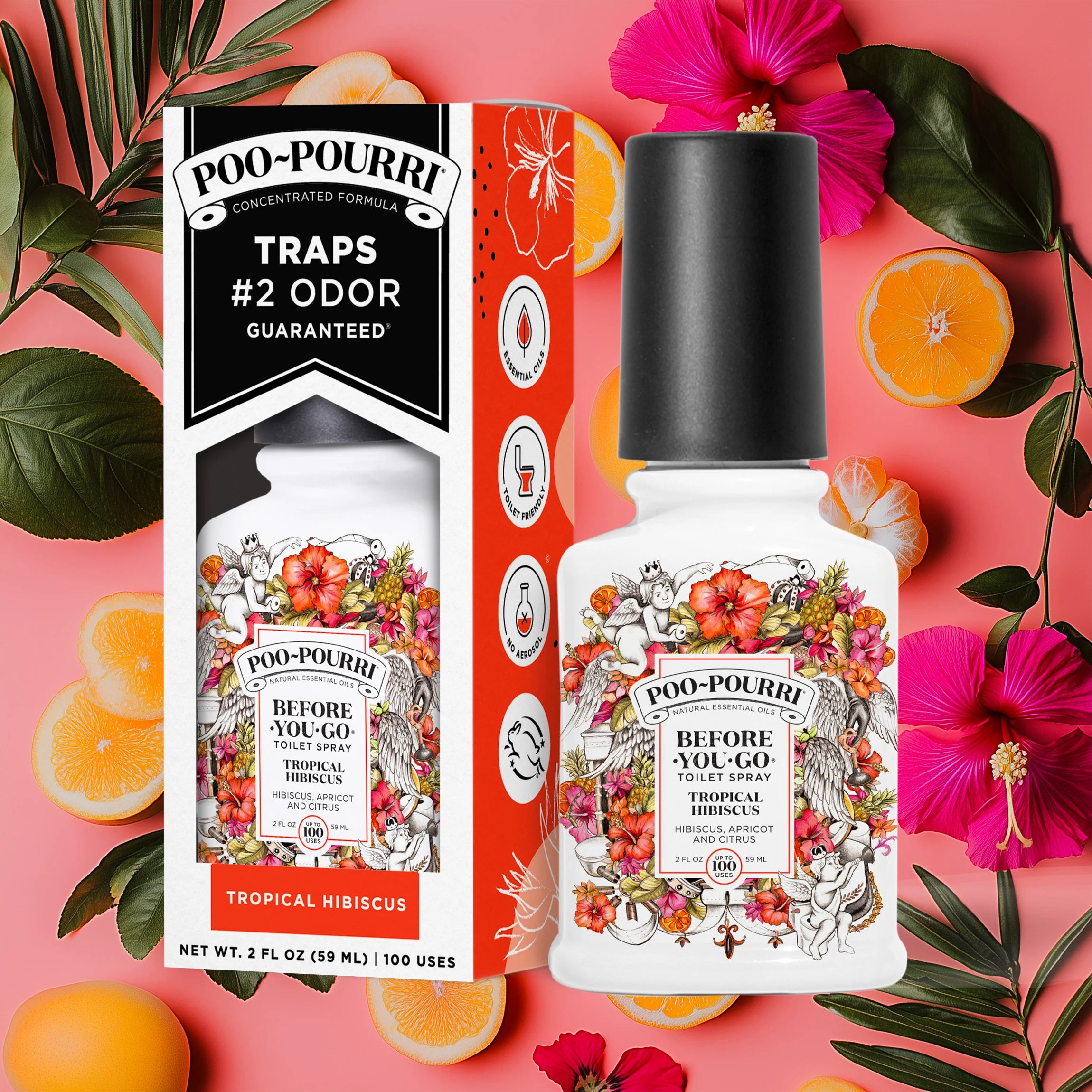
Pourrimalls offers a curated selection of natural products that extend beyond wipes. Their Baby~Pourri line includes room sprays and diaper pail deodorizers made with essential oils—no phthalates, parabens, or sulfates. For example, using a toilet spray like the Original Citrus - Poo~Pourri Toilet Spray in the bathroom (even before diaper changes) helps trap odors at the source, reducing the need for heavily-scented wipes. This synergy between products allows you to maintain a fresh, non-toxic nursery environment from top to bottom.
Final Thoughts: Making the Switch
Transitioning to natural baby wipes doesn't have to be all-or-nothing. Start by replacing one pack of conventional wipes with a natural, unscented option. Observe your baby's skin and your family's waste output. Many parents find that their baby's diaper rash clears up, and they feel better about reducing plastic pollution. Combine this with a natural odor-control system from Pourrimalls for a truly holistic approach.
Ready to upgrade your diaper-changing routine? Explore the Bloom in the Bathroom Set - Poo~Pourri Toilet Sprays from Pourrimalls. This set of three travel-friendly sprays uses essential oils to neutralize odors instantly, making it a perfect partner for natural wipes. Your baby's skin—and the planet—will thank you.