How to Transition Your Baby to Cloth Diapers: A Natural and Odor-Free Guide
By Pourrimalls | Published: 2026-06-06
Category: How-to Guides
Learn how to smoothly transition your baby to cloth diapers with natural odor control solutions, including tips on washing, storage, and non-toxic products.
Transitioning your baby to cloth diapers is a rewarding step toward a more natural, eco-friendly, and cost-effective parenting journey. Many parents worry about odors, leaks, and the learning curve, but with the right preparation and natural odor control strategies, the switch can be seamless. This guide walks you through every stage—from choosing the right diapers to managing smells—so you can embrace cloth diapering with confidence.
Why Choose Cloth Diapers?
Cloth diapers are not only better for the environment, but they also reduce your baby’s exposure to the chemicals found in many disposable diapers, such as dyes, fragrances, and super-absorbent polymers. They are gentler on sensitive skin, cost less over time, and can be reused for multiple children. However, a common concern is managing odors, especially during the transition. With natural solutions, you can keep your nursery fresh without resorting to harsh chemicals.
Step 1: Gather Your Cloth Diaper Essentials
Before you start, assemble a complete cloth diapering system. You’ll need:
- Diapers: Choose from prefolds, all-in-ones, pockets, or fitted styles. Start with 20-24 diapers for full-time use.
- Diaper covers: Waterproof covers (e.g., PUL or wool) go over prefolds or fitted diapers.
- Liners: Disposable or reusable liners catch solids and make cleanup easier.
- Wet bags or pail liners: Store dirty diapers until wash day. A dedicated diaper pail is optional.
- Natural odor spray: A non-toxic spray helps neutralize smells between washes.
Step 2: Master the Diaper Change Routine
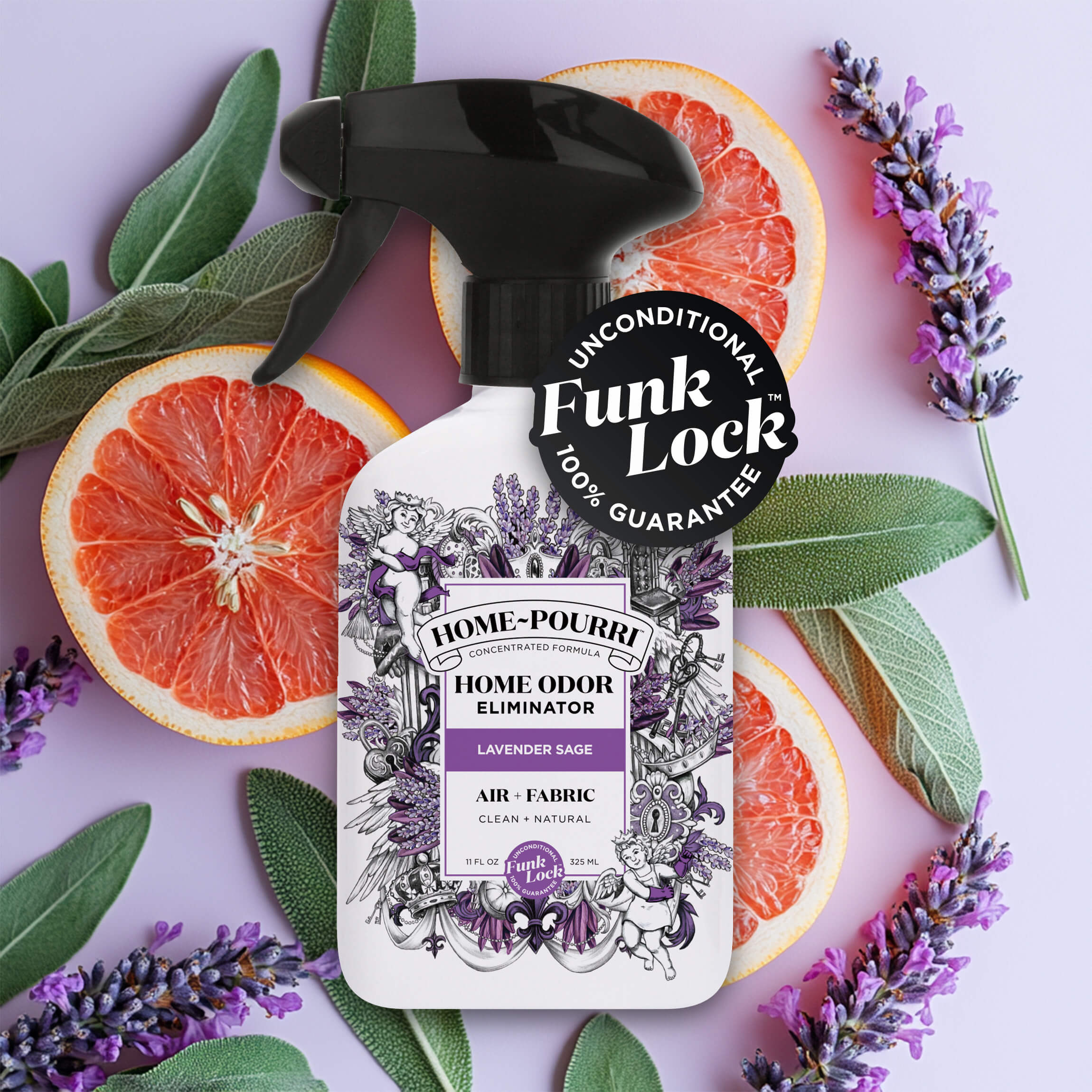
Cloth diapers require a slightly different technique than disposables. Ensure a snug fit around the legs and waist to prevent leaks. After each change, remove solids by flushing them (or using a diaper sprayer). Place the soiled diaper in a wet bag with a zipper closure to contain odors. For added freshness, lightly mist the diaper area with a natural spray like the Fresh Air - Home~Pourri Room Spray to keep the air clean and inviting.
Step 3: Establish an Effective Washing Routine
Proper washing is the key to odor-free cloth diapers. Follow this routine:
- Cold rinse: Rinse diapers in cold water to remove urine and loose solids.
- Hot wash: Wash with a small amount of cloth-diaper-safe detergent in hot water (140°F/60°C) to remove bacteria and oils.
- Extra rinse: Run an additional cold rinse to remove all detergent residue, which can cause buildup and odors.
- Dry: Line dry or tumble dry on low—avoid high heat for covers to preserve elastic.
If you notice lingering ammonia smells after washing, add a quarter cup of white vinegar to the rinse cycle or use a natural oxygen-based booster.
Step 4: Natural Odor Control Between Washes
Even with a good washing routine, wet diapers stored in a pail can develop odors. Here’s how to manage them naturally:
- Ventilation: Keep the pail lid slightly ajar or use a breathable cloth bag. Avoid airtight containers that trap moisture and promote bacteria growth.
- Baking soda: Sprinkle baking soda at the bottom of the pail or inside the wet bag to absorb odors.
- Essential oils: Add a few drops of tea tree or lavender oil to a cotton ball and place it in the pail (ensure it’s out of baby’s reach).
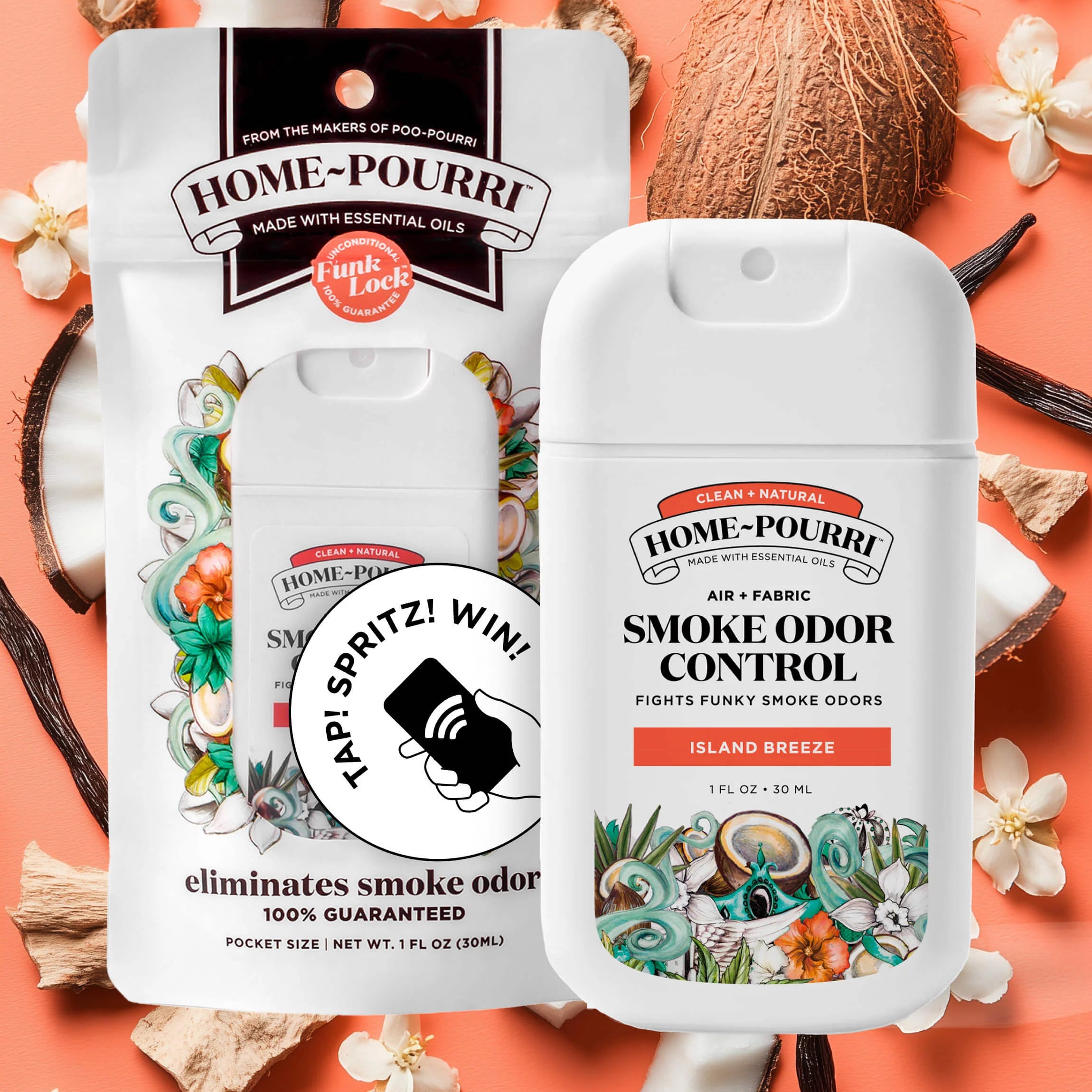
- Natural sprays: A quick spritz of the Pawsitively Fresh Pocket Sprayer on the diaper pail liner or wet bag helps neutralize odors without synthetic fragrances. This versatile spray is safe for use around babies and pets.
Step 5: Handle Dirty Diapers on the Go
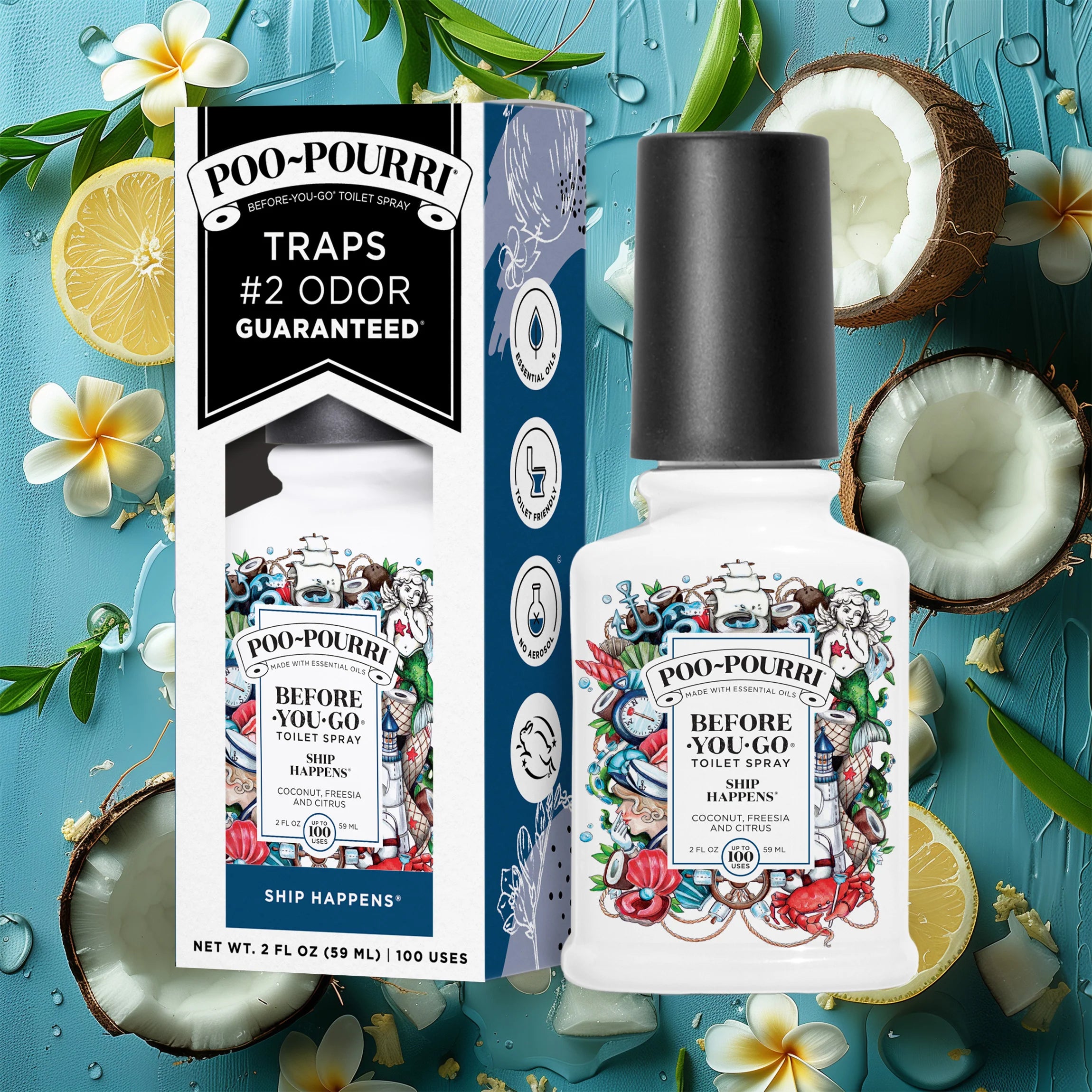
Traveling with cloth diapers is easier than you think. Pack a small wet bag with a zipper closure to store used diapers until you return home. For extra odor control, carry a mini natural spray like the Special Edition Original Citrus Pocket Sprayer - Poo~Pourri Toilet Spray. While designed for toilets, its gentle citrus scent works wonders on diaper bags and helps keep your car fresh. Just spritz inside the wet bag after each use.
Step 6: Transition Gradually for a Smoother Experience
If your baby is used to disposables, a gradual transition can reduce resistance. Start by using cloth diapers during the day and reserving disposables for nighttime or outings. Once you and your baby are comfortable, switch to full-time cloth. Many parents find that using cloth diapers at home first helps build confidence. Remember, every baby is different—be patient and flexible.
Common Challenges and Solutions
| Challenge | Symptom | Natural Solution |
|---|---|---|
| Ammonia smell | Strong, sharp odor after washing | Add vinegar to rinse cycle; strip diapers occasionally with hot water and a natural detergent. |
| Lingering poop smell | Odor persists even after cleaning | Use a diaper sprayer; pre-soak in cold water with a few drops of tea tree oil. |
| Diaper rash | Redness or irritation | Change diapers frequently; use a cloth-safe diaper cream; air-dry baby before putting on a new diaper. |
| Leaks | Wet clothing or bedding | Check fit around legs and waist; add a booster for heavier wetters; use a wool cover for nighttime. |
Why Natural Odor Control Matters for Your Baby
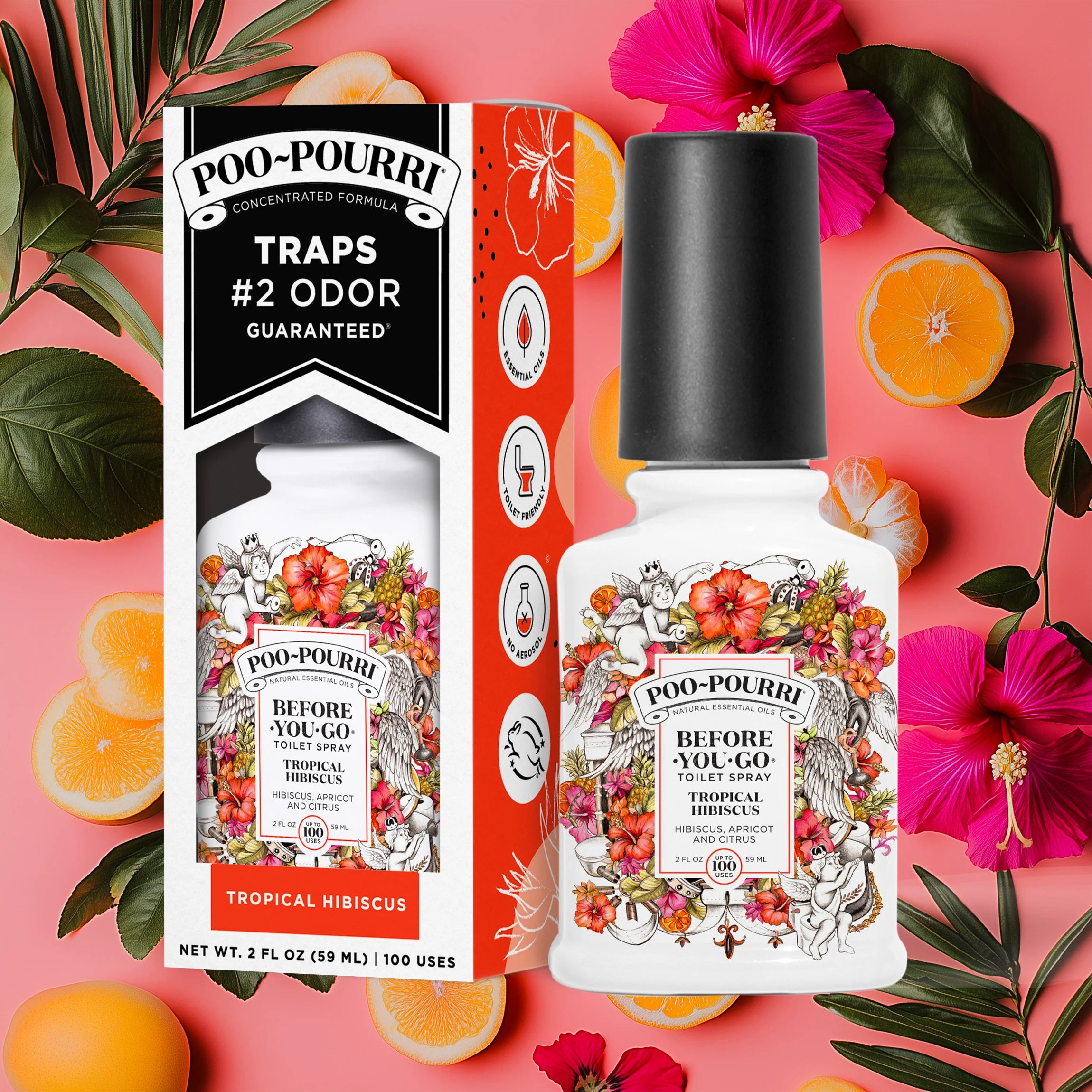
Babies have sensitive respiratory systems and skin. Using synthetic fragrances or harsh deodorizers can trigger allergies, eczema, or breathing issues. Natural odor control methods—like baking soda, vinegar, and plant-based sprays—keep your nursery safe while effectively neutralizing smells. Products like the Tropical Hibiscus Pocket Sprayer - Poo~Pourri Toilet Spray offer a delightful, non-toxic way to refresh diaper areas without compromising your baby’s health.
Building a Long-Term Cloth Diaper System
Once you’ve mastered the basics, consider building a routine that works for your lifestyle. Here are tips for long-term success:
- Rotate diapers: Avoid using the same diapers every day to prolong their life. Aim for a stash of 24-30.
- Strip diapers monthly: Wash with hot water and a natural stripping agent (like borax) to remove buildup.
- Invest in quality: Look for diapers with double gussets and natural fibers like hemp or bamboo for better absorbency.
- Embrace the “diaper free” time: Let your baby go diaper-free for a few minutes each day to prevent rash and strengthen your bond.
Final Thoughts
Transitioning to cloth diapers is a journey that benefits your baby, your wallet, and the planet. With natural odor control strategies—from proper washing to using non-toxic sprays—you can maintain a fresh nursery without harsh chemicals. Remember, the first few weeks may feel challenging, but consistency pays off. For an instant freshness boost during changes or while you’re out, explore the Pawsitively Fresh Pocket Sprayer—a convenient, pocket-sized solution that keeps odors at bay naturally. Happy diapering!