How to Choose the Best Natural Wipes for Baby, Pet, and Personal Use: A Complete Guide
By Pourrimalls | Published: 2026-05-26
Category: How-to Guides
Discover how to select safe, eco-friendly natural wipes for baby, pet, and personal care. Compare flushable wipes, gentle cleansing options, and top Pourrimalls picks.
Natural wipes have become a household staple for parents, pet owners, and anyone seeking a gentle, chemical-free way to freshen up on the go. Whether you need a soft cloth for diaper changes, a quick paw wipe after a muddy walk, or a flushable option for bathroom freshness, the market is flooded with choices. But not all wipes are created equal. Many conventional brands contain synthetic fragrances, alcohol, parabens, and non-biodegradable fibers that can irritate sensitive skin and harm the environment. This guide will walk you through everything you need to know to choose the best natural wipes for baby, pet, and personal use—with a focus on ingredients, sustainability, and expert recommendations from Pourrimalls.
Why Choose Natural Wipes over Conventional Ones?
Conventional wipes often rely on harsh chemicals like methylisothiazolinone (a common preservative linked to allergic reactions), phthalates in fragrances, and petroleum-based materials that don't break down in landfills. Natural wipes, by contrast, use plant-based fibers (such as bamboo or cotton), pure essential oils or unscented formulations, and biodegradable or flushable materials. For babies, whose skin is thinner and more permeable, avoiding irritants is critical. For pets, licking residue off their paws can lead to ingestion of toxins. And for personal use—whether in the bathroom, gym, or travel—natural wipes offer peace of mind, especially when used on sensitive areas. Switching to natural wipes also supports eco-friendly practices, reducing plastic waste and water pollution from synthetic microfibers.
Key Factors to Consider When Selecting Natural Wipes
Ingredients: What to Look For and What to Avoid
Always check the ingredient list. Ideal natural wipes contain:
- Plant-based fibers like bamboo, organic cotton, or wood pulp (avoid polyester or rayon, which are often derived from non-renewable sources).
- Gentle cleansers such as coconut-derived surfactants, aloe vera, or chamomile extract.
- Preservatives that are safe and biodegradable—look for citric acid, grapefruit seed extract, or vitamin E (tocopherol).
- No synthetic fragrances, alcohol, parabens, phthalates, or formaldehyde-releasing agents.
For flushable wipes, ensure they meet industry standards (like INDA/EDANA guidelines) to avoid clogging pipes. True flushable wipes break apart quickly after flushing, but even then, many municipalities recommend disposing of them in the trash.
Flushable vs. Compostable vs. Biodegradable
These terms are often confused:
- Flushable wipes are designed to break down in water and sewer systems, but some still cause blockages. Always look for “septic-safe” and “flushable” certifications.
- Compostable wipes break down in industrial composting facilities (not home compost bins unless specified).
- Biodegradable wipes will decompose over time, but the timeline varies depending on conditions. Bamboo wipes are generally a safer bet for biodegradability.
For personal use in the bathroom, many users appreciate the convenience of Unscented Flushable Wipes - Poo~Pourri, which are made with plant-based fibers and free from harsh chemicals, making them ideal for sensitive skin and septic systems.
Texture, Thickness, and Wetness
Baby wipes need to be soft and gentle, while pet wipes may require a bit more durability for scrubbing muddy paws. Personal wipes should be thick enough not to tear during use but not overly saturated, which can cause dripping. Many natural wipes are pre-moistened with water and aloe, offering a balance of moisture without being too wet. Test a small pack first to see how they feel on skin or fur.
Top Natural Wipes for Babies: Gentle and Safe Choices
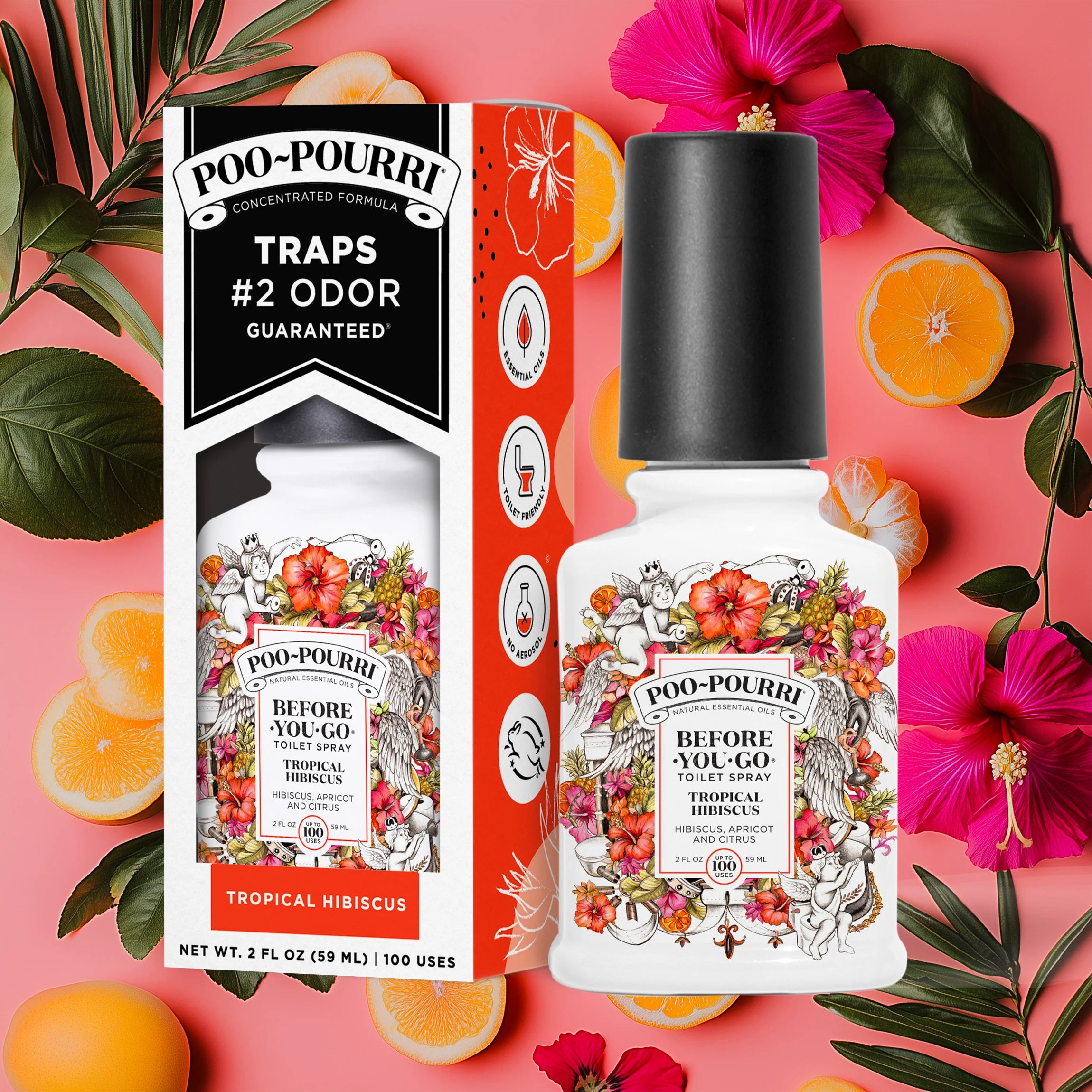
For newborns and toddlers, choose wipes that are hypoallergenic, dermatologist-tested, and free from essential oils that might cause irritation. Look for wipes with added aloe vera or vitamin E to soothe skin. Some brands offer unscented options, which are best for the most sensitive skin. While Pourrimalls does not carry specific baby wipes, their Bloom in the Bathroom Set - Poo~Pourri Toilet Sprays can be a complementary product for maintaining a fresh nursery—using the toilet spray before diaper changes helps neutralize odors naturally, reducing the need for heavily scented wipes.
Best Natural Wipes for Pets: Keeping Paws and Faces Clean
Pet wipes should be gentle enough for frequent use, especially on paws, around the eyes, and in sensitive areas. Avoid wipes with alcohol, which can dry out skin, or strong fragrances that might overwhelm a pet's sensitive nose. Look for wipes infused with soothing ingredients like oatmeal and aloe. For a comprehensive pet odor control solution, consider the Fresh Fur - Bundle, which includes wipes and spray designed to neutralize pet odors naturally and leave your furry friend feeling fresh between baths. Always test a small area first to ensure your pet doesn't have a reaction.
Natural Wipes for Personal Hygiene: Freshen Up Anywhere
Personal wipes are perfect for freshening up after workouts, during travel, or for intimate hygiene. They should be pH-balanced (ideally around 4.5–5.5 for the skin's natural acidity), fragrance-free or scented only with natural essential oils, and made from biodegradable materials. Flushable wipes for toilet use offer an extra layer of cleanliness, but they must be labeled as safe for plumbing. The Unscented Flushable Wipes - Poo~Pourri are an excellent choice for personal use: they are unscented to avoid irritation, flushable (when used one at a time), and made with plant-based fibers that are gentle on skin and the environment. Pair them with a toilet spray for a complete bathroom freshness routine.
Eco-Friendly and Sustainable Wipes: What to Look For
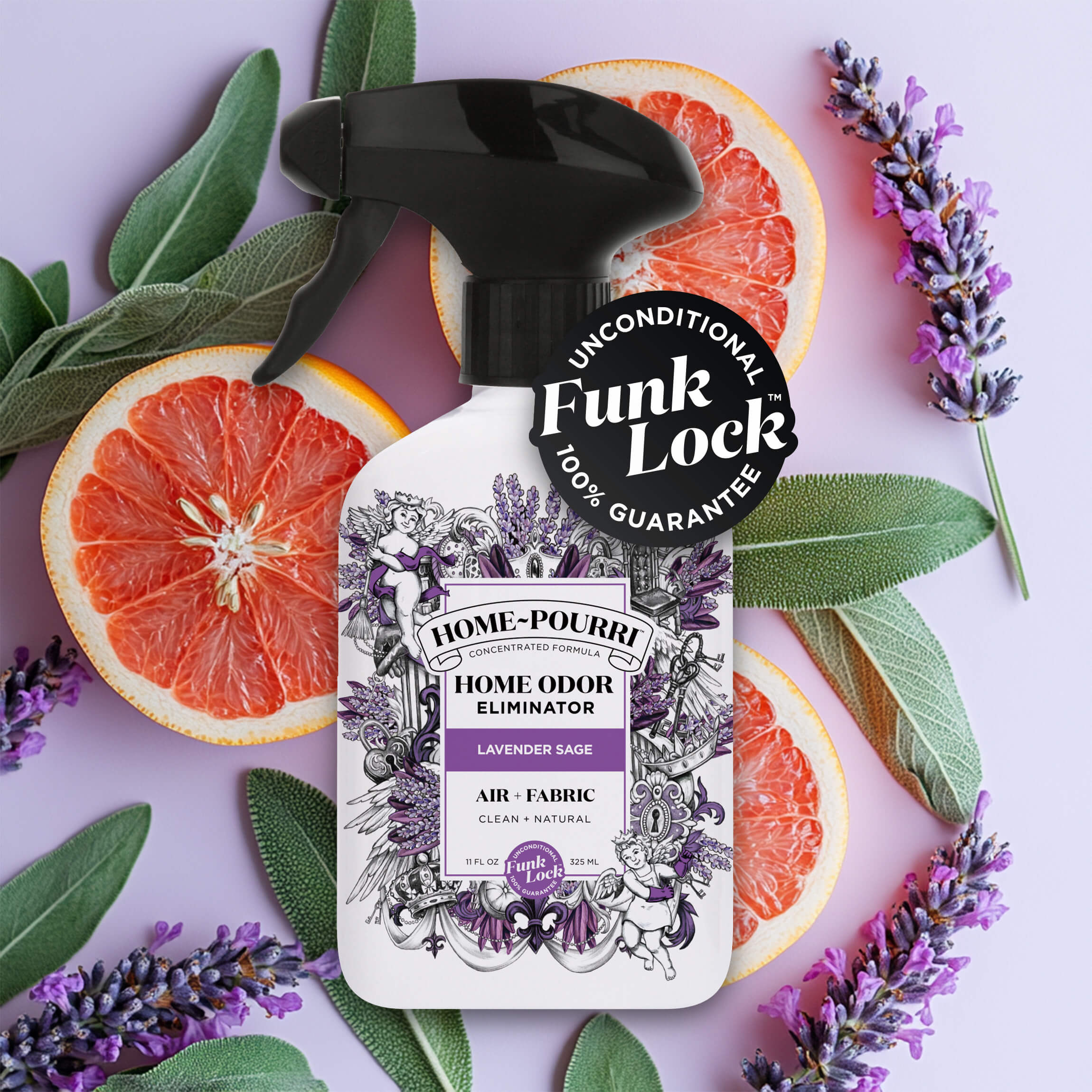
Sustainability goes beyond ingredients. Consider packaging (recyclable cardboard vs. plastic tubs), sourcing (FSC-certified wood pulp), and manufacturing practices (water conservation, carbon offset programs). Many natural wipe brands now offer refill packs to reduce plastic waste. Also check for certifications like USDA Biobased, Leaping Bunny (cruelty-free), or FSC (Forest Stewardship Council) on the packaging. While Pourrimalls focuses mainly on odor control products, the Fresh Air - Home~Pourri Room Spray is a natural room spray that can be used alongside wipes to maintain a fresh-smelling home without synthetic chemicals—spritz it on fabrics, upholstery, or in the air for an instant refresh.
How to Store and Dispose of Natural Wipes Properly
To maintain moisture and prevent bacterial growth, store natural wipes in a cool, dry place, and always reseal the package tightly. For flushable wipes, only flush one at a time and never flush them if you have a septic system that's prone to clogs—many plumbers recommend throwing them in the trash regardless. Compostable wipes should go in a compost bin if you have access to industrial composting; otherwise, dispose of them in the trash. Biodegradable wipes can be thrown away but will break down faster in a landfill than plastic-based wipes. Always read the disposal instructions on the package.
Common Mistakes to Avoid with Natural Wipes
- Assuming all “natural” labels are regulated: Look for specific certifications rather than marketing buzzwords.
- Using baby wipes on pets: Some baby wipes contain ingredients safe for humans but toxic to animals (like certain essential oils). Always use pet-specific wipes or consult your vet.
- Flushing non-flushable wipes: This is a leading cause of sewer blockages. Only flush wipes clearly marked “flushable” and approved by standards organizations.
- Overusing wipes on sensitive skin: Even natural wipes can disrupt the skin barrier if used excessively. For daily cleansing, consider using a soft cloth with water and reserving wipes for on-the-go situations.
Frequently Asked Questions About Natural Wipes
Are flushable wipes safe for all septic systems?
Most modern septic systems can handle flushable wipes if used sparingly, but older or delicate systems may clog. Many experts recommend disposing of all wipes in the trash to be safe. The Unscented Flushable Wipes - Poo~Pourri are designed to break down quickly, making them a safer option than many conventional brands.
Can I use natural wipes on my baby's face?
Yes, if they are unscented and alcohol-free. Avoid wipes with citrus or other essential oils that might sting if near eyes. Always test on a small area first.
How do I choose between scented and unscented wipes?
For personal and baby use, unscented is generally best to avoid irritation. For pet wipes, unscented or very lightly scented with pet-safe oils (like chamomile) is ideal. For a refreshing scent boost in the bathroom, you can use a natural spray like the Fresh Air - Home~Pourri Room Spray instead of relying on scented wipes.
Final Thoughts and Recommendations
Choosing the right natural wipes depends on your specific needs—whether it's for baby, pet, or personal use. Prioritize ingredients, certifications, and disposal methods to ensure you're making a safe and sustainable choice. For a complete eco-friendly odor control routine, combine your favorite wipes with natural sprays from Pourrimalls. The Unscented Flushable Wipes - Poo~Pourri offer a gentle, flushable option for personal hygiene, while the Fresh Fur - Bundle provides a targeted solution for pet owners. Always read labels carefully, and remember that natural doesn't always mean perfect for everyone—listen to your skin and your pet's reactions. With the right selection, natural wipes can make your daily routine cleaner, greener, and more comfortable.
Ready to upgrade your freshness routine? Explore the Unscented Flushable Wipes - Poo~Pourri today, and pair them with a natural room spray for a complete, gentle clean that's kind to you and the planet.