Flushable Wipes vs. Wet Wipes: What’s Safe for Your Septic System and the Planet?
By ~Pourri | Published: 2026-06-12
Category: Product Reviews
Confused about flushable wipes vs. wet wipes? Learn which are truly septic safe, biodegradable, and eco-friendly. Discover top non-toxic options at ~Pourri.
In recent years, the debate over flushable wipes versus traditional wet wipes has intensified, especially for eco-conscious homeowners and those with septic systems. While the convenience of a pre-moistened wipe is undeniable, not all wipes are created equal—and many marketed as “flushable” can cause serious plumbing issues and environmental harm. In this comprehensive guide, we’ll break down the differences between flushable wipes and wet wipes, examine what septic safe really means, and highlight which products you can trust for both your pipes and the planet.
Why the Confusion? Understanding the Terminology
First, it’s important to clarify what manufacturers mean by “flushable.” Many brands label their wipes as flushable if they break apart in water—but real-world testing shows that many of these wipes do not disintegrate quickly enough to avoid clogs. Wet wipes, on the other hand, are typically designed for surface cleaning or personal hygiene and are explicitly not meant to be flushed. The key difference lies in material composition, disintegration testing, and intended use.
Flushable Wipes: What Makes Them Different?
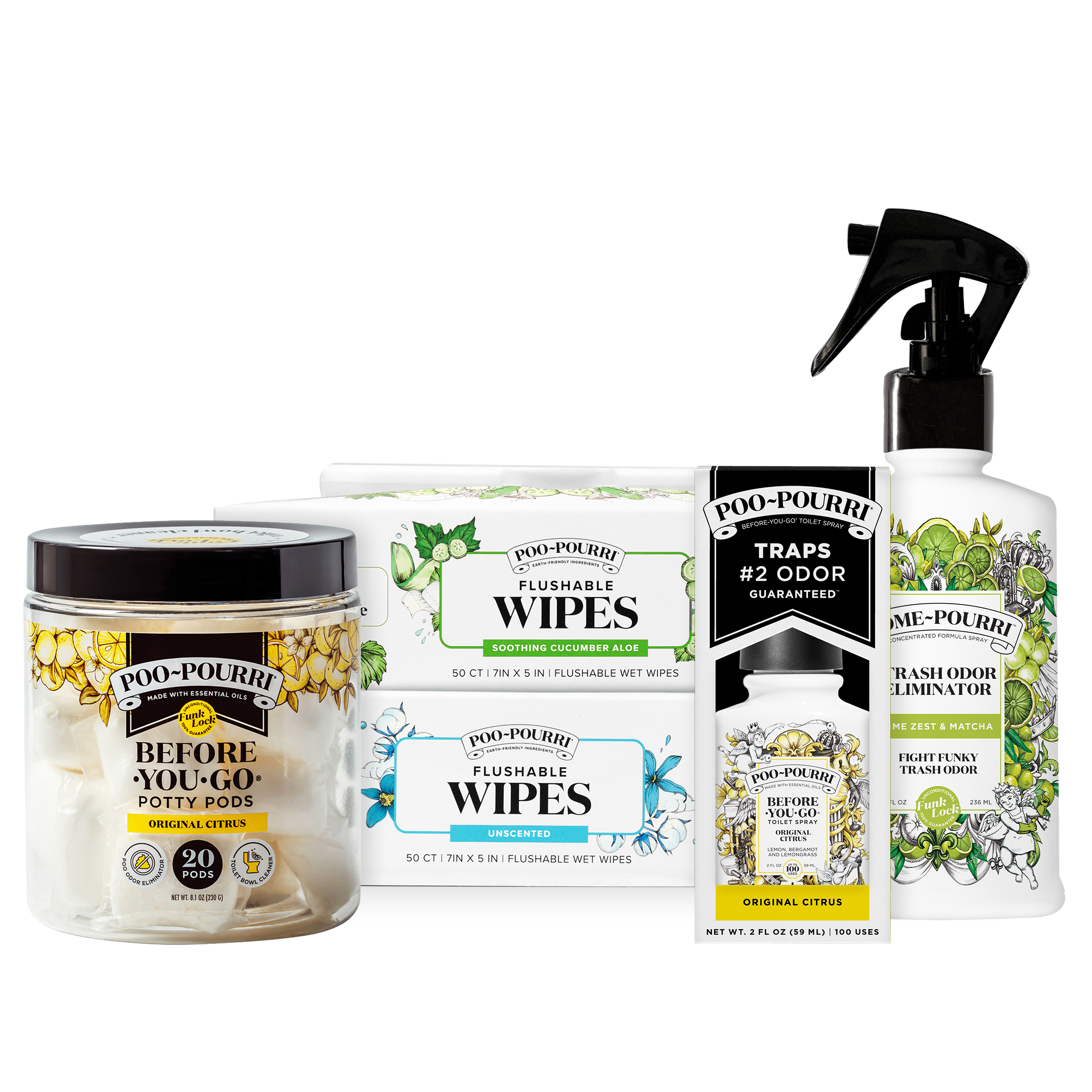
True flushable wipes are made from fibers that break down rapidly in water, similar to toilet paper. They undergo rigorous testing (like the INDA/EDANA flushability guidelines) to ensure they don’t harm plumbing or septic systems. However, even among “flushable” products, quality varies widely. For example, the Cucumber Aloe Flushable Wipes - Poo~Pourri are crafted with plant-based fibers and are designed to be fully biodegradable and safe for septic tanks. These wipes contain no harsh chemicals, synthetic fragrances, or plastic binders that can clog pipes or linger in the environment.
Benefits of Choosing Septic-Safe Flushable Wipes
- Plumbing Protection: Rapid disintegration reduces the risk of blockages in pipes and septic systems.
- Eco-Friendly Materials: Made from renewable resources like bamboo or wood pulp, which decompose naturally.
- Non-Toxic Ingredients: Free from alcohol, parabens, and artificial dyes, making them gentle on skin and safe for water ecosystems.
- Convenience: Ideal for travel, on-the-go freshening, or as a gentle alternative to dry toilet paper.
Wet Wipes: The Hidden Dangers
Standard wet wipes—often used for baby care, makeup removal, or household cleaning—are typically made with synthetic fibers like polyester or polypropylene. These materials are not designed to break down in water and can persist for months or even years in sewer systems. When flushed, they combine with fats and oils to form massive “fatbergs” that clog municipal sewers. Even wipes labeled as “biodegradable” may not decompose in marine or septic environments without specific conditions.
Why Wet Wipes Are Not Septic Safe
- Non-Disintegrating Fibers: Most wet wipes remain intact after flushing, leading to pump failures and costly repairs.
- Chemical Load: Many contain preservatives, fragrances, and antimicrobial agents that disrupt septic bacteria and harm aquatic life.
- Environmental Impact: Improperly disposed wipes contribute to plastic pollution and can be mistaken for food by marine animals.
How to Identify Truly Septic-Safe Flushable Wipes
When shopping, look for certifications like the “Fine to Flush” logo (developed by Water UK) or the INDA/EDANA guidelines. Also, check the ingredient list—avoid wipes with polyethylene, polypropylene, or “resin” binders. Instead, opt for wipes made from natural cellulose fibers, like those found in the Cucumber Aloe Flushable Wipes. These wipes undergo independent testing to ensure they break down within minutes, not days.
Comparison Table: Flushable Wipes vs. Wet Wipes
| Feature | Flushable Wipes (e.g., Cucumber Aloe ~Pourri) | Standard Wet Wipes |
|---|---|---|
| Disintegration Time | Minutes (passes flushability tests) | Days to never (clogs pipes) |
| Material | Plant-based cellulose (bamboo, wood pulp) | Polyester, polypropylene, or mixed synthetics |
| Septic Safe | Yes (tested for septic tanks) | No (can cause pump failure) |
| Biodegradable | Yes (fully compostable in proper conditions) | Slow or non-biodegradable |
| Chemical Additives | Minimal, non-toxic (aloe, cucumber) | Often includes alcohol, parabens, synthetic fragrances |
| Environmental Impact | Low (breaks down naturally) | High (microplastic pollution, fatbergs) |
Why Septic Systems Need Special Care
Septic tanks rely on a delicate balance of bacteria to break down solid waste. Non-biodegradable wipes can float on top of the scum layer, never decomposing, and eventually clog the outlet pipe or drain field. This leads to expensive pumping (every 1-3 years instead of 3-5) and potential system failure. Using only certified flushable wipes, like those from ~Pourri, helps maintain your septic system’s health and prolongs its lifespan.
Eco-Friendly Alternatives to Wet Wipes
For situations where you need a moist wipe but want to avoid plumbing risks, consider using a reusable cloth or a spray-and-wipe method. For example, you can pair a biodegradable wipe with a mist of Bamboo Rain - Home~Pourri Room Spray for a fresh, clean surface without flushing. This approach reduces waste and protects your pipes simultaneously.
How to Dispose of Non-Flushable Wipes Properly
If you use standard wet wipes for household cleaning or personal care, always throw them in the trash—never the toilet. Even wipes labeled “biodegradable” may not break down in water environments. Keep a small, lidded bin in your bathroom for easy disposal. Better yet, switch to reusable alternatives like microfiber cloths or bamboo-based wipes that can be composted after multiple uses.
Final Thoughts: Choosing the Right Wipes for Your Home and Planet
Understanding the difference between flushable wipes and wet wipes is essential for protecting your plumbing, your septic system, and the environment. While many wet wipes are convenient, they come with hidden costs—both to your wallet and the planet. By choosing products that are certified septic safe and biodegradable, like the Cucumber Aloe Flushable Wipes, you can enjoy the convenience of wipes without guilt. Always read labels, look for third-party certifications, and dispose of non-flushable wipes responsibly.
Ready to make the switch? Explore the Cucumber Aloe Flushable Wipes - Poo~Pourri today and experience the perfect blend of freshness, safety, and eco-conscious design. Your pipes—and the planet—will thank you!