Flushable Wipes vs. Baby Wipes: Which Is Safer for Sensitive Skin and Septic Systems?
By POURRI | Published: 2026-06-25
Category: Product Reviews
Compare flushable wipes and baby wipes for sensitive skin, septic safety, and eco-friendliness. Discover natural, non-toxic options for a cleaner bathroom routine.
When it comes to personal hygiene and bathroom freshness, the debate between flushable wipes and baby wipes is more than just a matter of convenience. For anyone with sensitive skin or a septic system, the choice can have real consequences. Baby wipes are often marketed as gentle, but many contain harsh chemicals and are not designed to break down in plumbing. Flushable wipes, on the other hand, are engineered to be both skin-friendly and septic-safe—but not all brands are created equal. In this guide, we'll break down the key differences, highlight natural alternatives, and help you choose the best option for your home and health.
What Are Flushable Wipes?
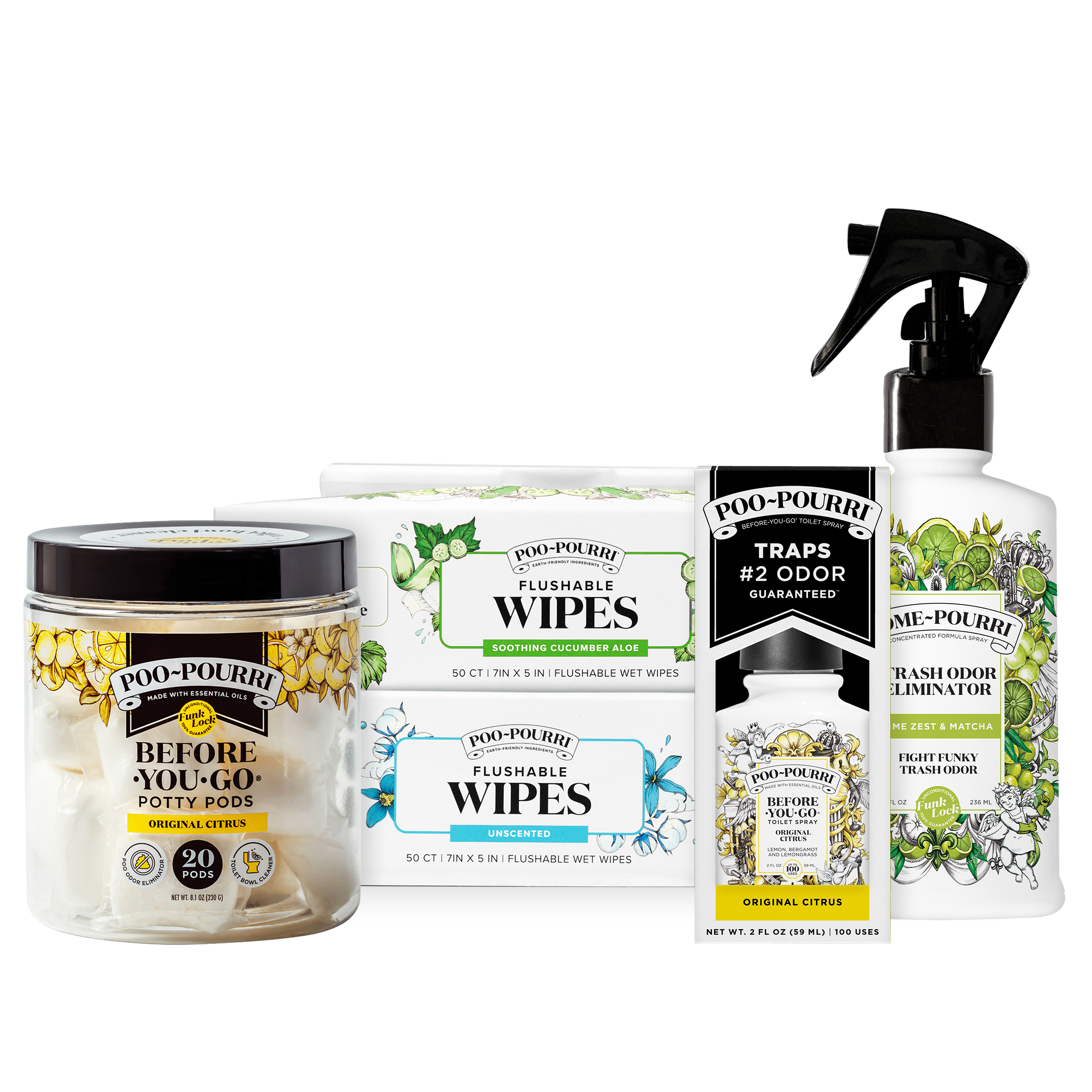
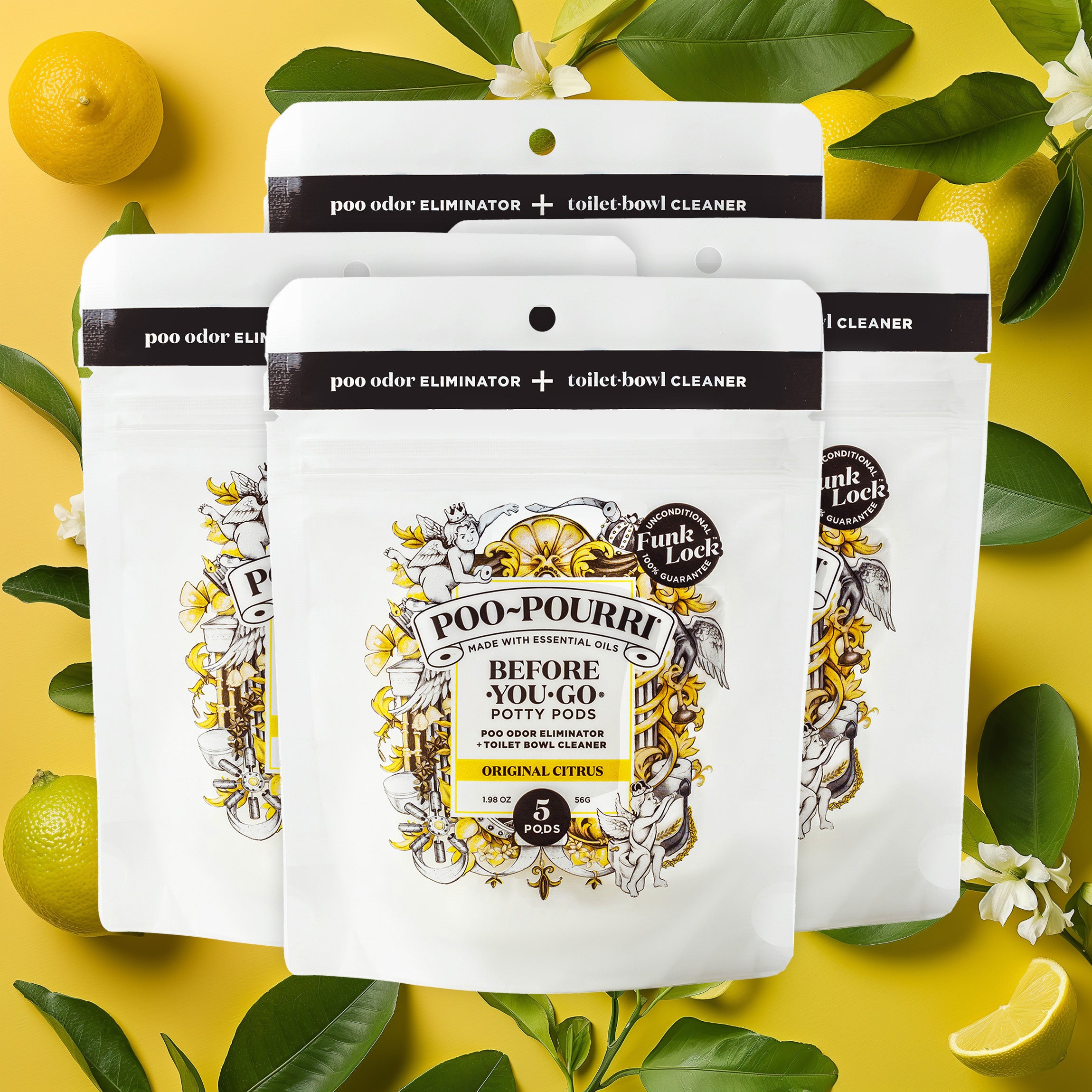
Flushable wipes are pre-moistened cleansing cloths designed to be flushed down the toilet. Unlike standard wet wipes, they are made from materials that break apart quickly in water to avoid clogging pipes and septic systems. Many flushable wipes also include gentle, natural ingredients to soothe sensitive skin and reduce irritation. For example, the Potty Pods 4pk - Poo~Pourri Toilet Bowl Pods offer a convenient way to freshen your toilet bowl with natural enzymes—though they are not wipes themselves, they complement a septic-safe routine by breaking down waste naturally.

What Are Baby Wipes?
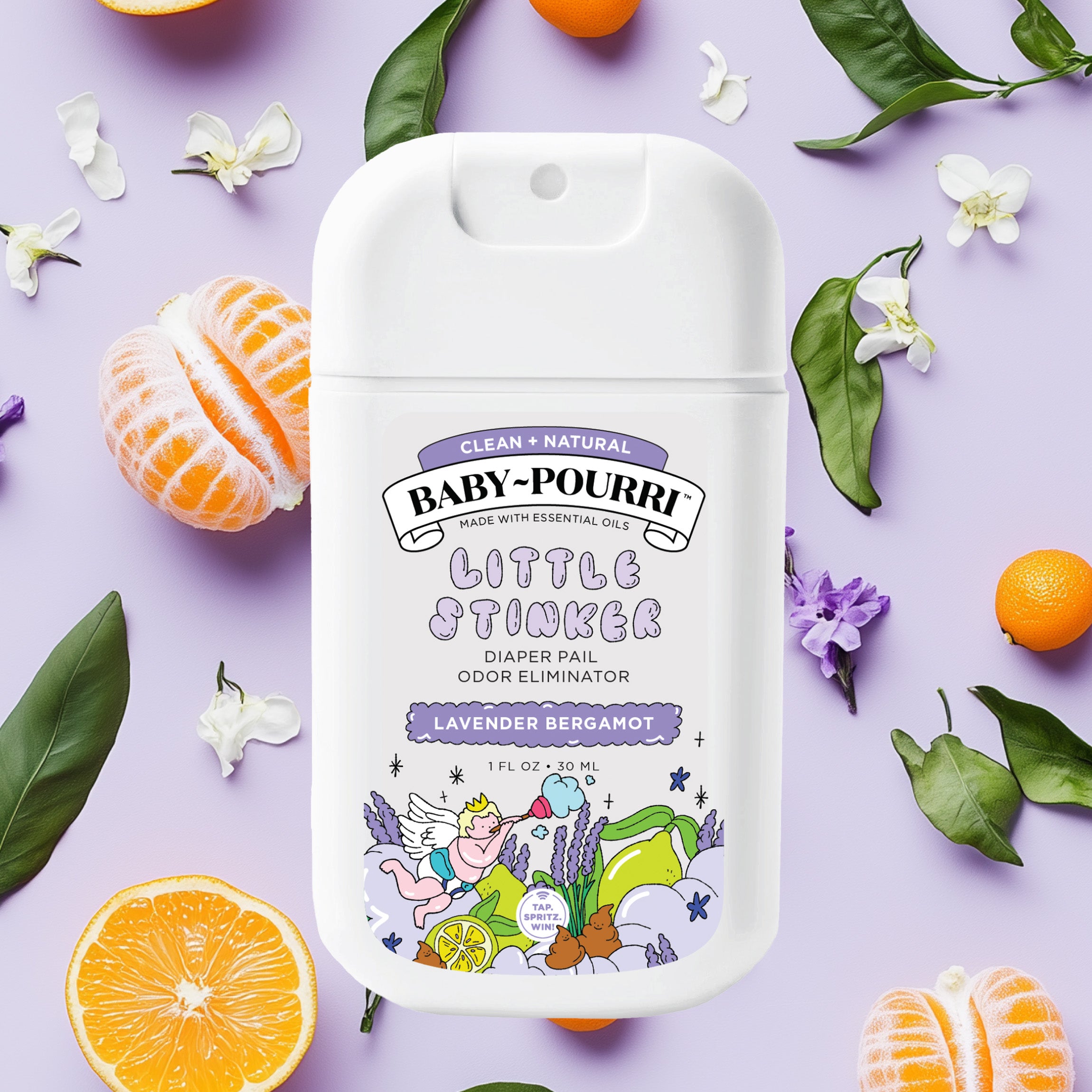
Baby wipes are designed primarily for diaper changes and cleaning baby skin. They are typically thicker, softer, and infused with moisturizers like aloe or chamomile to prevent diaper rash. However, baby wipes are not meant to be flushed—even those labeled "flushable" may not meet plumbing industry standards. Most baby wipes contain synthetic fibers that do not disintegrate in water, leading to costly clogs and septic tank damage. For parents seeking a non-toxic alternative for nursery freshness, the Little Stinker - Baby-Pourri Diaper Pail Freshener is an excellent companion—it neutralizes odors in the diaper pail without harsh chemicals.
Key Differences: Sensitive Skin Safety
Ingredients and Formulations
Flushable wipes for sensitive skin often prioritize hypoallergenic ingredients like witch hazel, chamomile, and vitamin E, avoiding alcohol, parabens, and synthetic fragrances. Baby wipes, while also often labeled hypoallergenic, may contain preservatives like methylisothiazolinone (MI) that can trigger allergic reactions. If you have eczema or contact dermatitis, look for wipes with short ingredient lists and certifications like dermatologist-tested.
pH Balance
Healthy skin maintains a slightly acidic pH (around 4.5–5.5). Many flushable wipes are formulated to match this range, while baby wipes can be more neutral or even alkaline, which may disrupt the skin barrier. Always check the product label for pH-balanced claims.
Septic System Safety: What You Need to Know
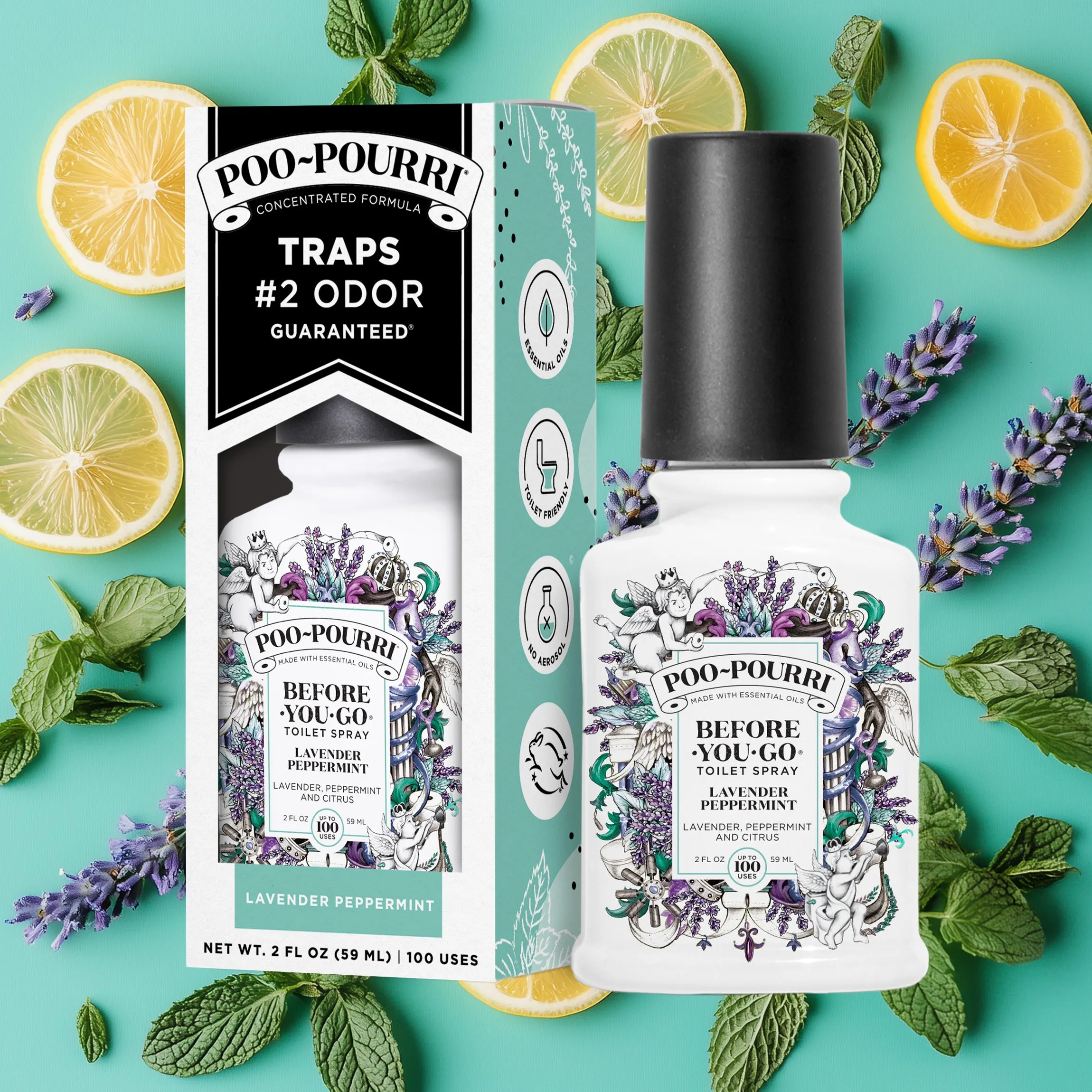
Septic systems rely on bacteria to break down solid waste. Non-flushable items like baby wipes can accumulate in the tank, cause blockages, and require expensive pump-outs. Flushable wipes must pass industry tests like the INDA/EDANA flushability guidelines, which assess disintegration and dispersion. That said, even approved flushable wipes should be used sparingly—overuse can still strain older systems. For a complete septic-safe bathroom routine, consider combining flushable wipes with natural sprays that reduce odor and waste buildup. The Original Citrus Refill - Poo~Pourri Toilet Spray is a perfect refill for your bathroom, using essential oils to trap odors before they start, so you use fewer wipes overall.
| Feature | Flushable Wipes | Baby Wipes |
|---|---|---|
| Designed to flush | Yes (meet industry standards) | No (even if labeled "flushable") |
| Septic safe | Generally yes (follow usage guidelines) | No—risk of clogs and tank damage |
| Sensitive skin friendly | Often pH-balanced, hypoallergenic | Variable; may contain preservatives |
| Material breakdown | Biodegradable fibers (cellulose, wood pulp) | Plastic-based fibers (polyester, polypropylene) |
| Common uses | Bathroom hygiene, adult cleansing | Diaper changes, baby care, general cleanup |
Eco-Friendly and Natural Alternatives
For those seeking a truly non-toxic lifestyle, there are alternatives beyond wipes. Many brands now offer flushable wipes made from organic cotton or bamboo, with plant-based cleansing agents. Additionally, using a bidet reduces the need for wipes altogether. For odor control, natural room sprays like the Bamboo Rain - Home~Pourri Room Spray can freshen the bathroom after use, minimizing the temptation to over-wipe. This spray uses essential oils to neutralize odors without masking them, making it a safe choice for sensitive noses and septic systems alike.
How to Choose the Right Wipe for Your Needs
For Sensitive Skin
Look for wipes that are fragrance-free, alcohol-free, and dermatologist-tested. Avoid wipes with MI, parabens, or phthalates. Consider wipes infused with soothing botanicals like calendula or chamomile.
For Septic Systems
Stick to wipes clearly labeled as "septic safe" and certified by INDA/EDANA. Use only 1-2 wipes per flush, and never flush baby wipes, even if the package says "flushable." If you have an older or small septic tank, consider using wipes only for occasional touch-ups and rely on toilet paper for routine use.
For Everyday Freshness
Pair your wipes with a natural toilet spray to reduce the need for multiple wipes. A few spritzes before use can create a protective layer on the water's surface, trapping odors and leaving the bowl fresh. The Ship Happens - Poo~Pourri Toilet Spray is a popular choice with a lively citrus scent that keeps the bathroom smelling clean without chemical residue.
Common Myths Debunked
Myth: All baby wipes are flushable. False. Most baby wipes are made with synthetic fibers that do not break down and should be thrown in the trash.
Myth: Flushable wipes are 100% safe for all plumbing. While they meet flushability standards, they can still cause issues in old or narrow pipes if used excessively.
Myth: Natural wipes are less effective. Many natural flushable wipes use plant-based surfactants that clean just as well as synthetic ones, without the irritation.
Final Verdict: Which Is Better?
For sensitive skin and septic systems, flushable wipes are the clear winner—provided you choose a brand that prioritizes natural ingredients and proper disintegration. Baby wipes are best left for diaper changes and should never be flushed. To build a holistic, non-toxic bathroom routine, combine flushable wipes with a natural toilet spray and a gentle, pH-balanced cleanser. Your skin, plumbing, and the planet will thank you.
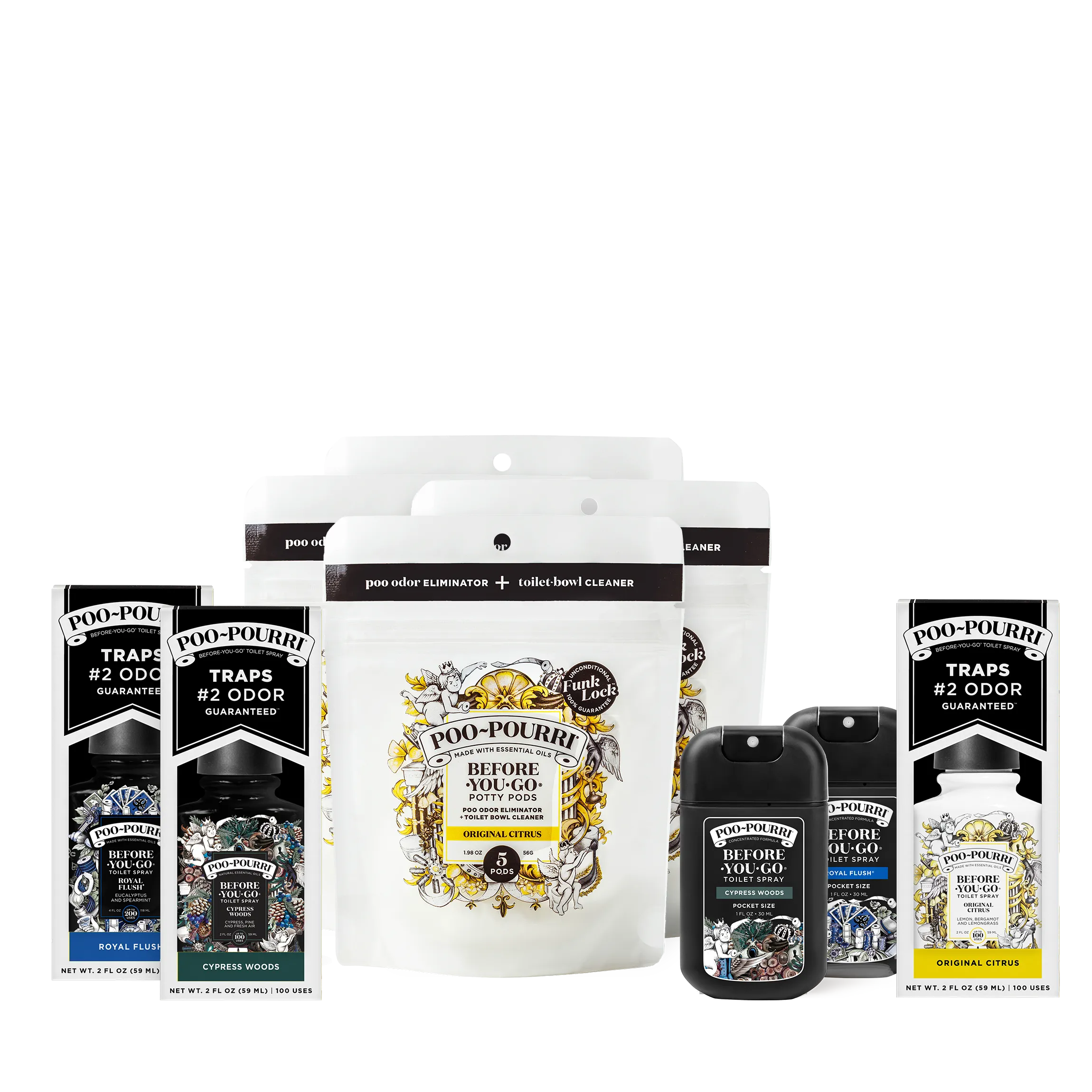
Ready to upgrade your bathroom freshness? Explore the Own Your Throne Bundle—a complete set of Poo~Pourri favorites designed to keep your toilet area fresh, natural, and septic-friendly. It includes a toilet spray, a room spray, and a pouch, making it the perfect starter pack for a non-toxic bathroom transformation.